

The Saxony-Anhalt Music Academy is based at Michaelstein Abbey in the Harz region. In addition, the former Cistercian monastery is home to an impressive collection of musical instruments. And an innovative concept gives guests online access to the picturesque location, the history of the abbey and its musical tradition.
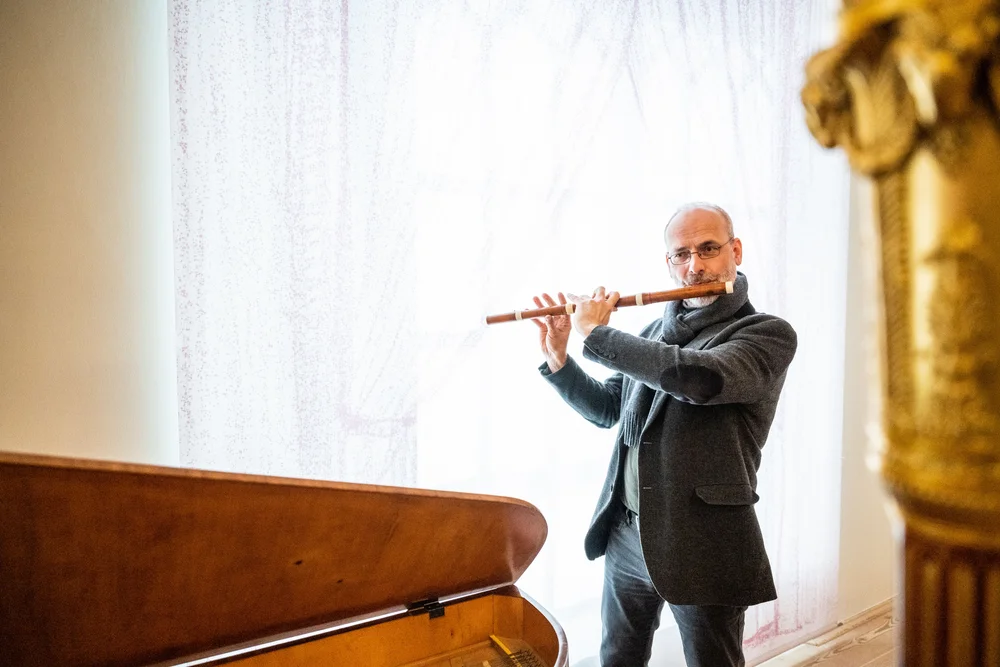
A bright melody from the baroque era seems to dance joyfully through the room. The notes come from a 300-year-old transverse flute played by Peter Grunwald.
The director of the museum and the Saxony-Anhalt Music Academy is standing in a small room with the old wooden instrument and looking out of the window into the abbey garden. “Monks always found special locations for their monasteries. And today visitors can still sense what a spiritual place Michaelstein is, in a peaceful setting surrounded by countryside. The peace is a good basis for the music that is created here,” explains Peter Grunwald.
“Today visitors can still sense what a spiritual place Michaelstein is.”
But the abbey was once almost consigned to history. A postcard printed in the early 20th century shows a picture of tumbledown buildings with the caption “The ruins of Michaelstein Abbey”.
It was music that saved the abbey. In the 1960s, musicians discovered the remote location and found it ideal for rehearsals and concerts. As a result, over the last few decades the abbey has developed from a ruin into a centre for early music.
Today young musicians and internationally famous performers come to Michaelstein for concerts, rehearsals and seminars. “The performances range from early, classical and romantic music through to jazz, rock and pop. Because we have been working with historically informed performance at Michaelstein for the last 50 years, the focus is on music from the baroque period,” says Peter Grunwald.
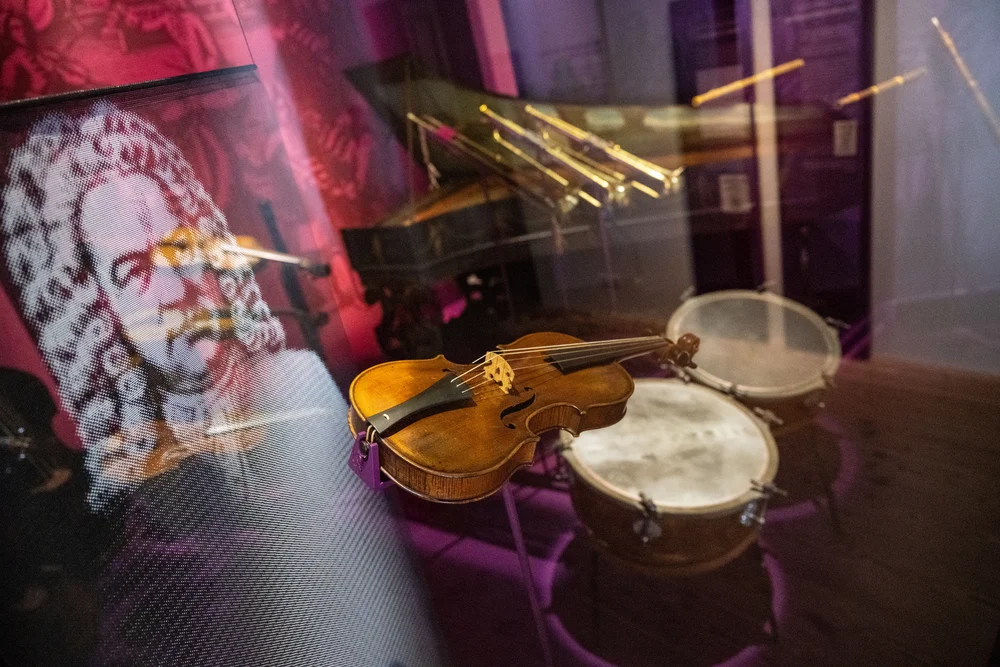
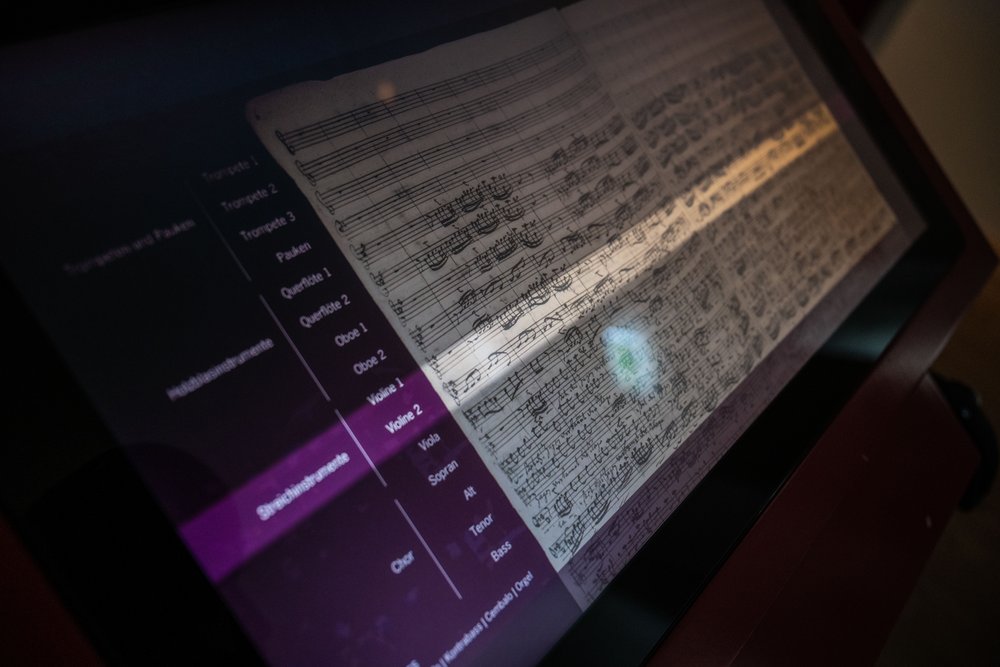
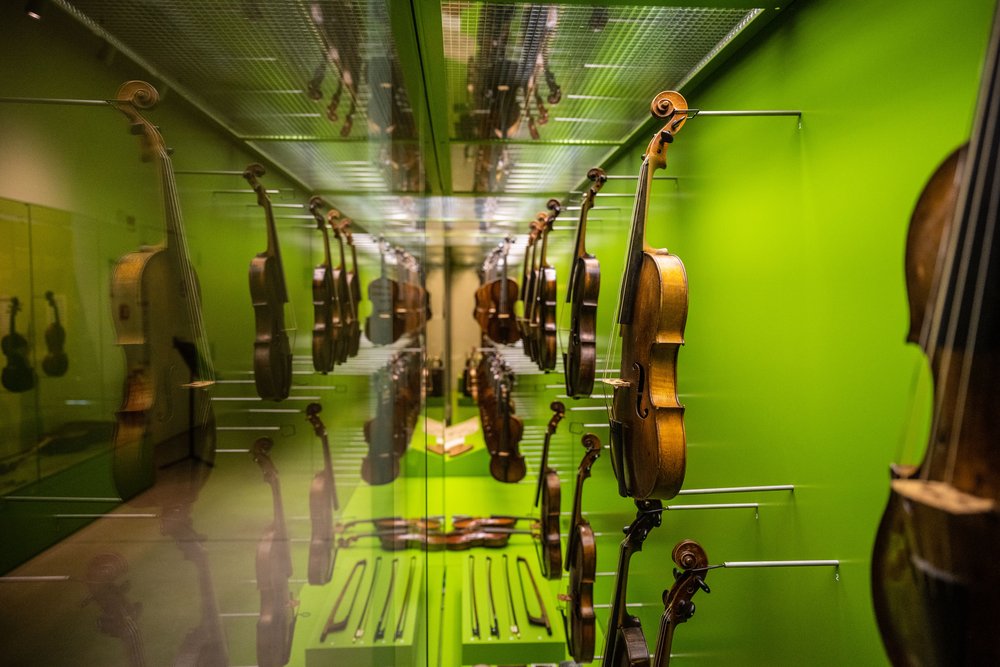
But you don’t need to be able to play an instrument to enjoy a visit to Michaelstein Abbey. The museum and its exhibition “KlangZeitRaum” with instruments dating back four centuries is fascinating for children and adults alike.
One highlight of the collection is the music machine designed by the engineer and landscape architect Salomon de Caus for the Heidelberg palace garden. As a result of the Thirty Years’ War, it was never installed there.
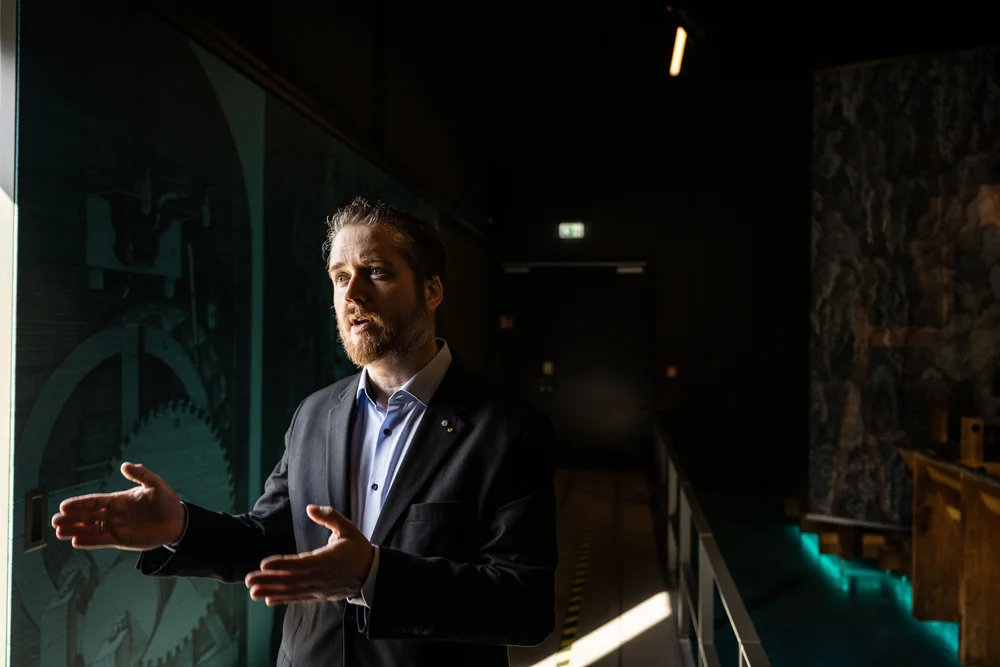
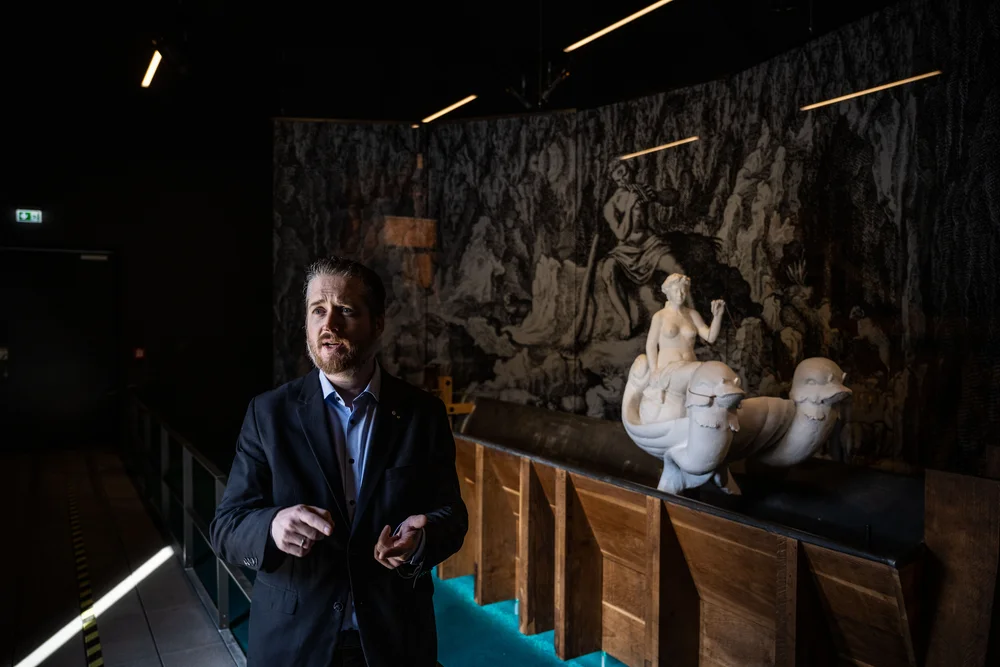
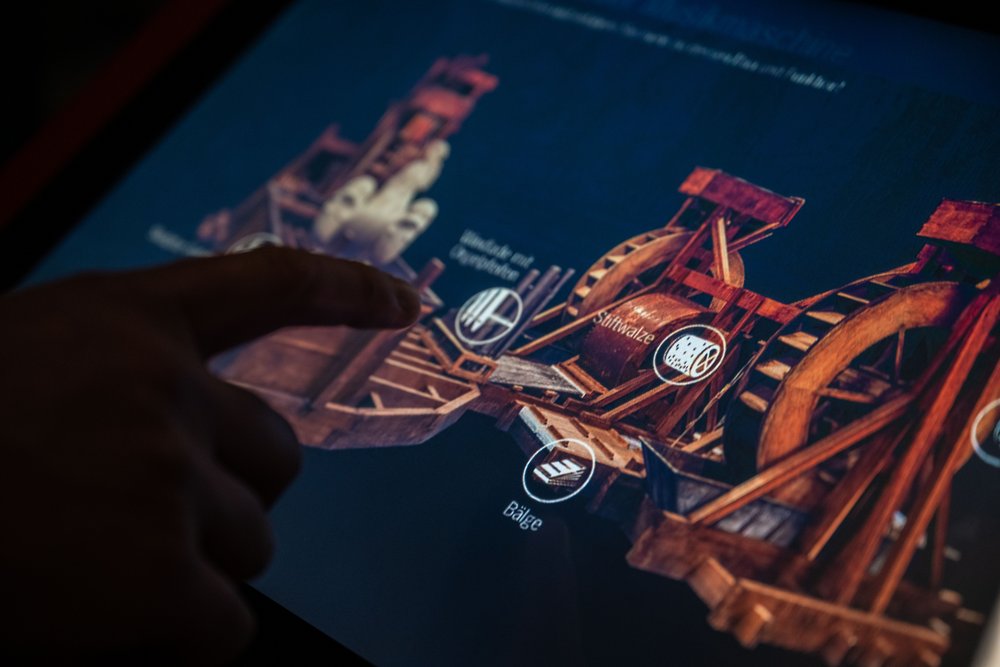
A reconstruction of the music machine, which is powered by a water wheel, was presented to the museum in 2019. The moving figure of a nymph is operated by a pinned barrel to the accompaniment of joyful music.
“We were offered the opportunity to have the building scanned and a digital twin created.”
Anyone interested in the museum does not necessarily have to travel to the Harz region for a guided tour. The innovative online concept allows visitors to discover the history of the abbey and its musical tradition with a few clicks of the mouse.
The driving force behind the ambitious digitalisation project is the museum head Simon Sosnitza. “The starting point was the question of how a museum can be repositioned in a lockdown so that it is possible to continue making cultural exhibits and knowledge accessible. Then we were offered the opportunity to have the building scanned and a digital twin created,” he explains.
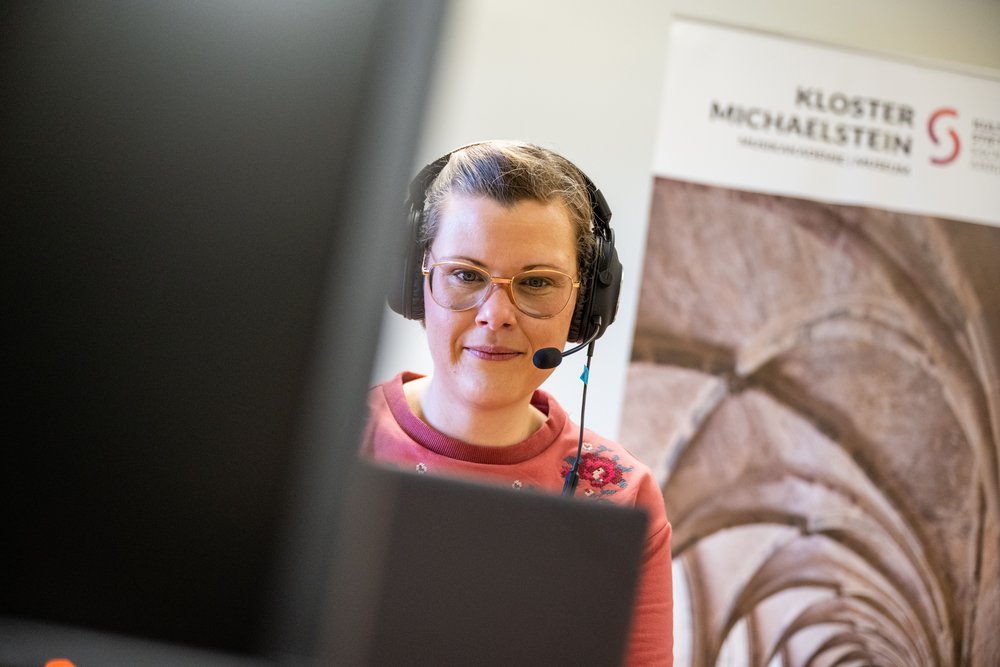
The result is a virtual tour where people can even look in detail at individual exhibits using the zoom function. The digital version of the abbey also includes videos with background information about inscriptions and special items in the exhibition. In addition, there is the opportunity of booking a virtual live tour. This involves the museum’s head of education streaming a tour through the abbey rooms, the garden and the exhibition with accompanying explanations.
“Guests can get an online impression in advance of what the abbey has to offer.”
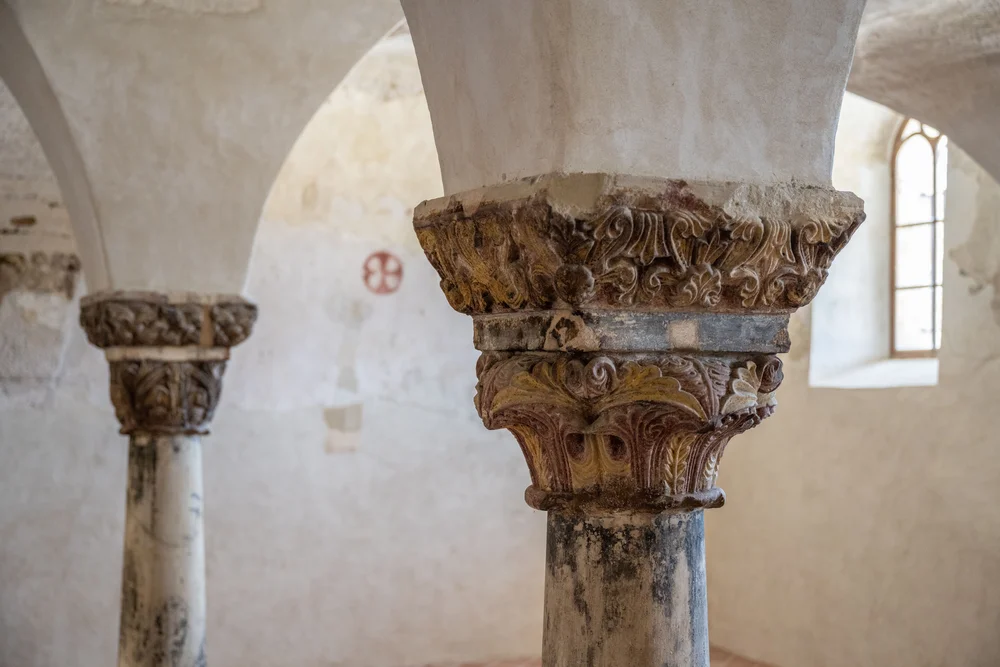
Simon Sosnitza describes another obvious benefit of the virtual tours: “Potential guests can plan their visits to the Harz by getting an online impression in advance of what the abbey has to offer. This may arouse their interest in playing the harpsichord themselves, touching the 12th century pillars or smelling the roses and lavender in the abbey garden. Because the online experience will always be just a complement to our real-life offerings.”
The combination of music, history and beautiful landscapes which lends the abbey its charm can only be experienced in full by visiting it in person. In addition, Michaelstein is on the Romanesque Road tourist route. The Euroroute R1 cycle path, which runs from London to Moscow, also passes the abbey.
Sie auch interessieren:
