

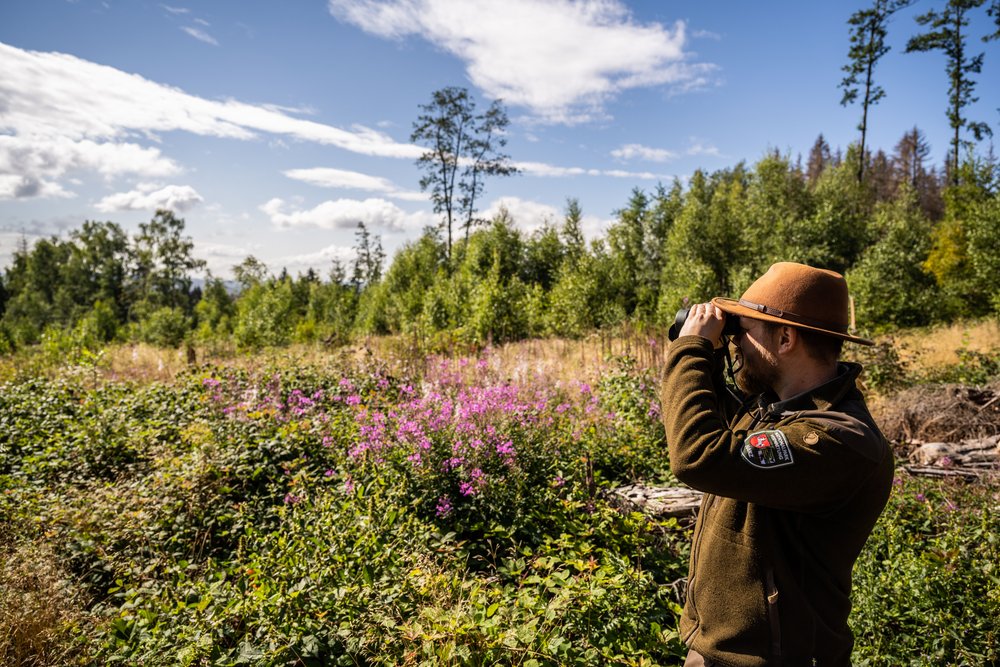
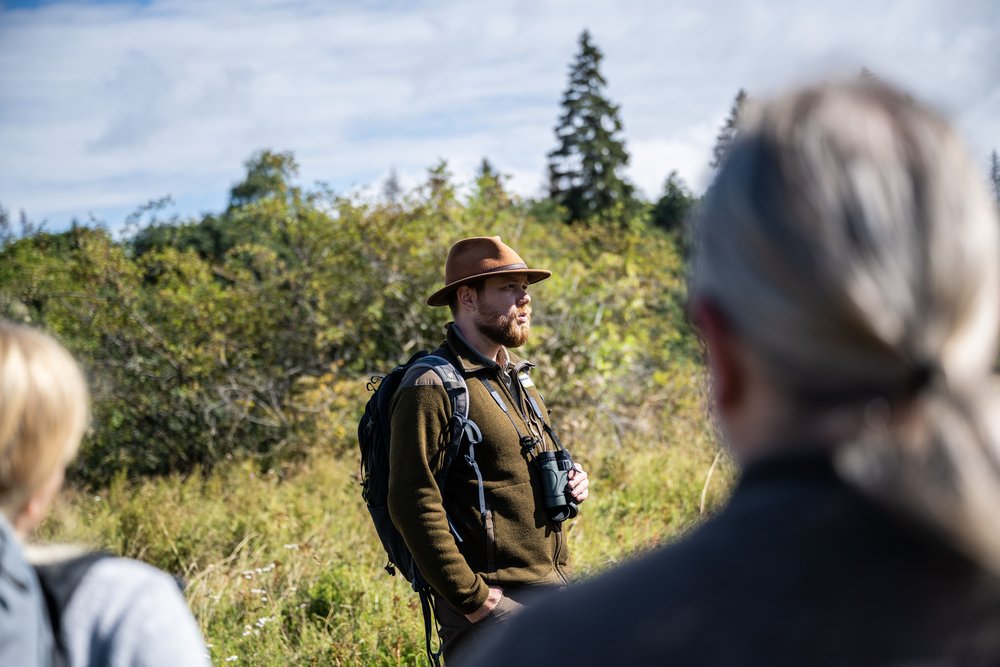
If you are being taken on a tour of national park by one of the rangers, then a pair of binoculars is undoubtedly the most important thing to take with you. And you should also wear weatherproof clothing, because higher up in the mountains there can be storms and the weather can change quickly. Anyone who sets off on an expedition with Hendrik Behrens or one of his colleagues into the magnificent mountain wilderness will have the chance to see nature from a quite different perspective. We report on adventure tours that both adults and children will enjoy.
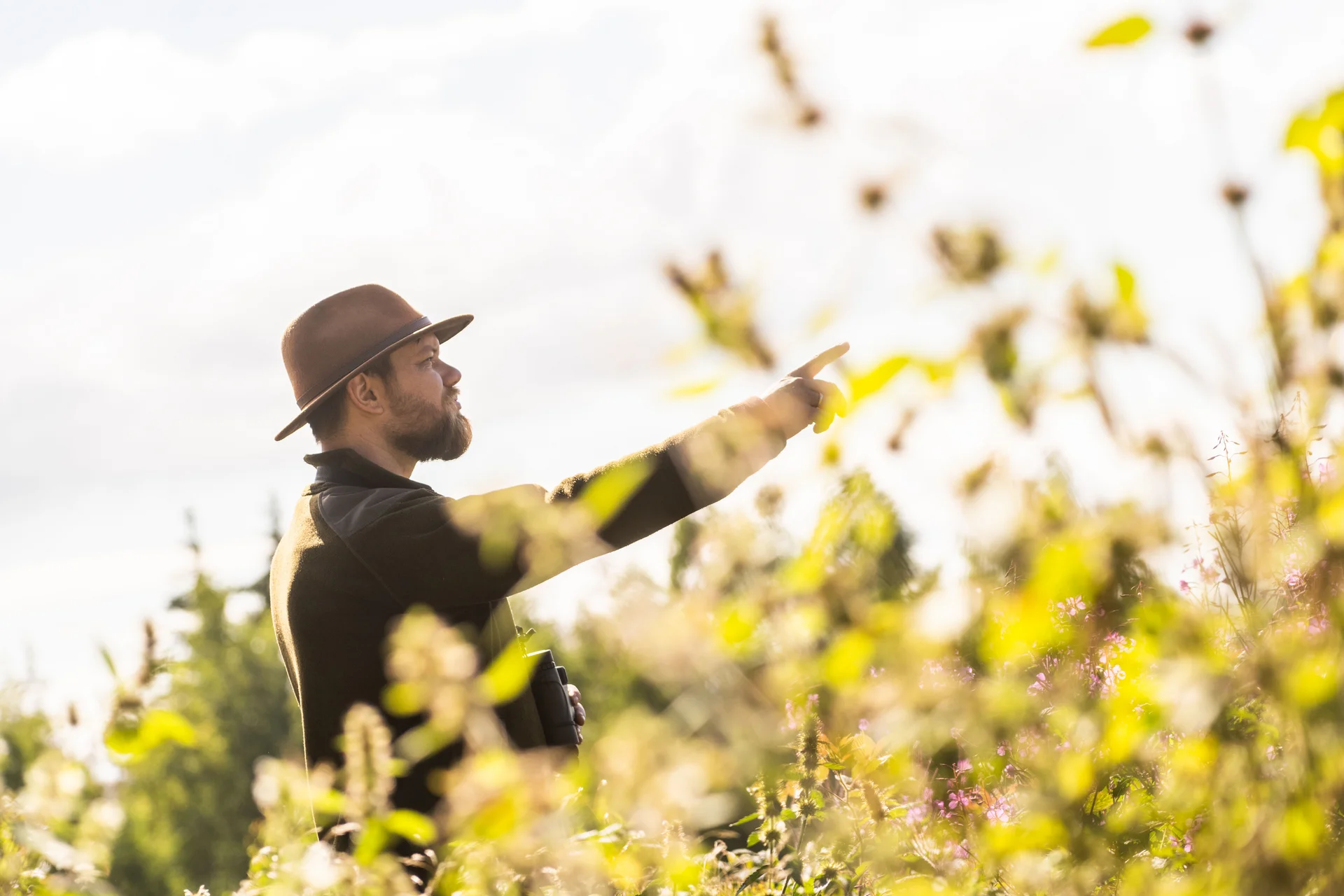
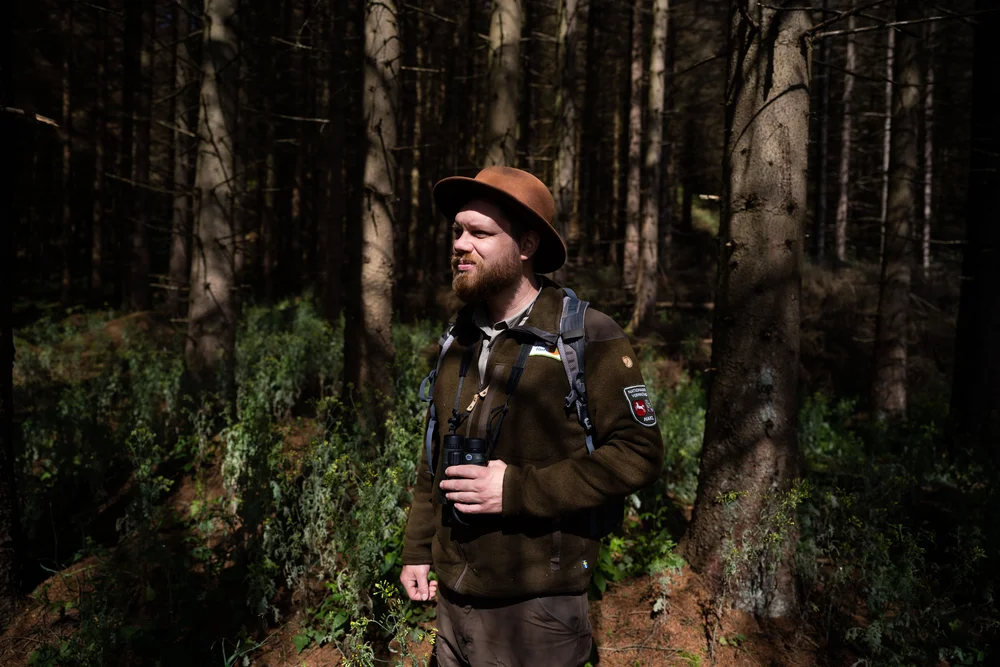
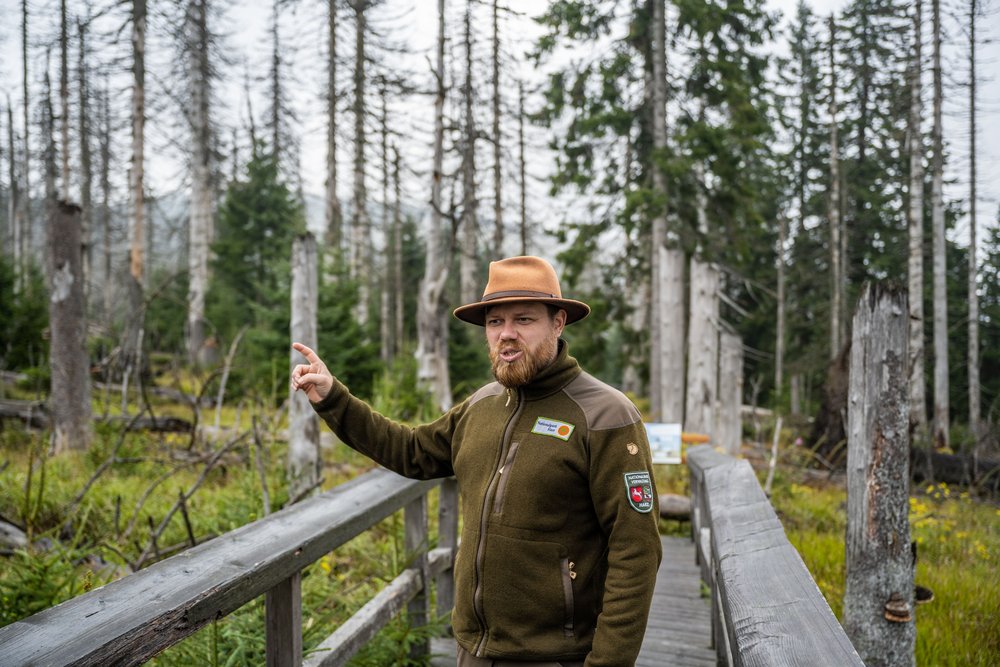
Hendrik Behrens has only been a ranger in the Harz national park since 2019, but his passion for his job is obvious. After trying several different careers, the 33-year-old now feels that he has arrived. When it comes to the flora and fauna that need protection in the northernmost low mountain range in Europe, he has so much to tell you.
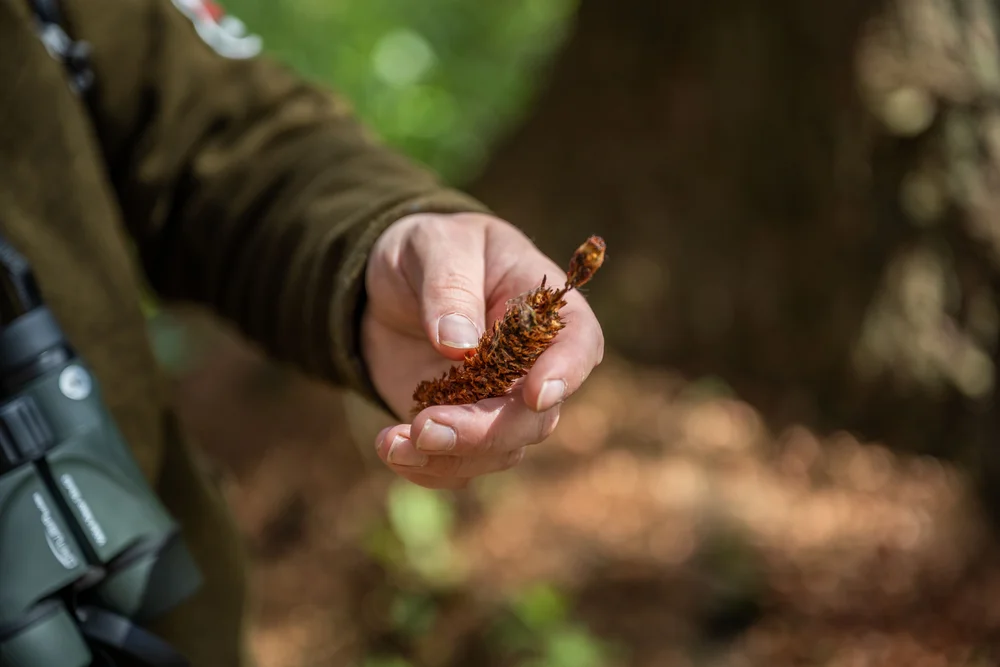
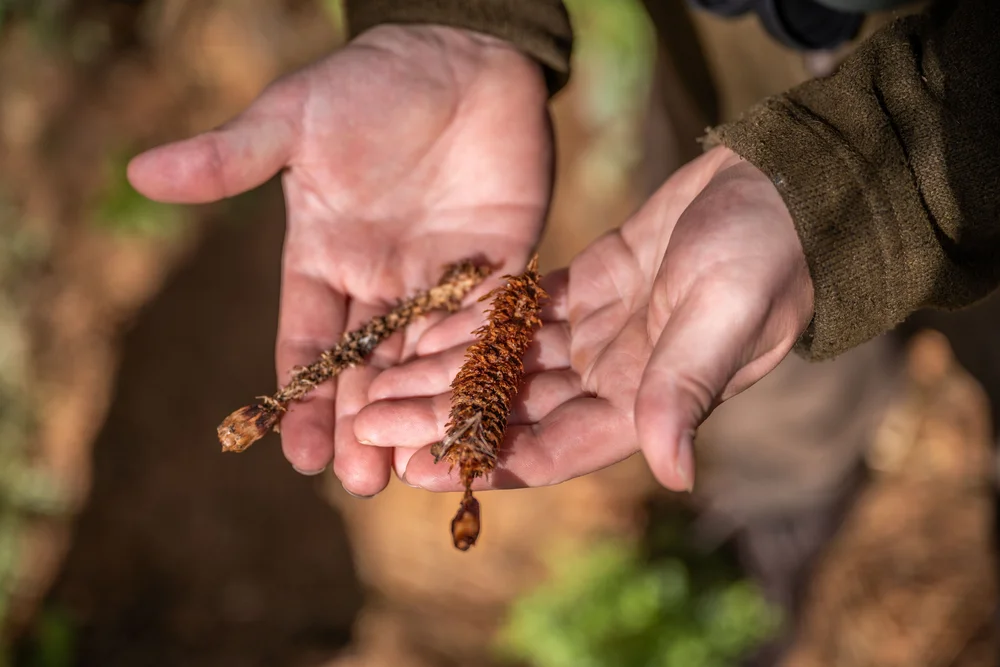
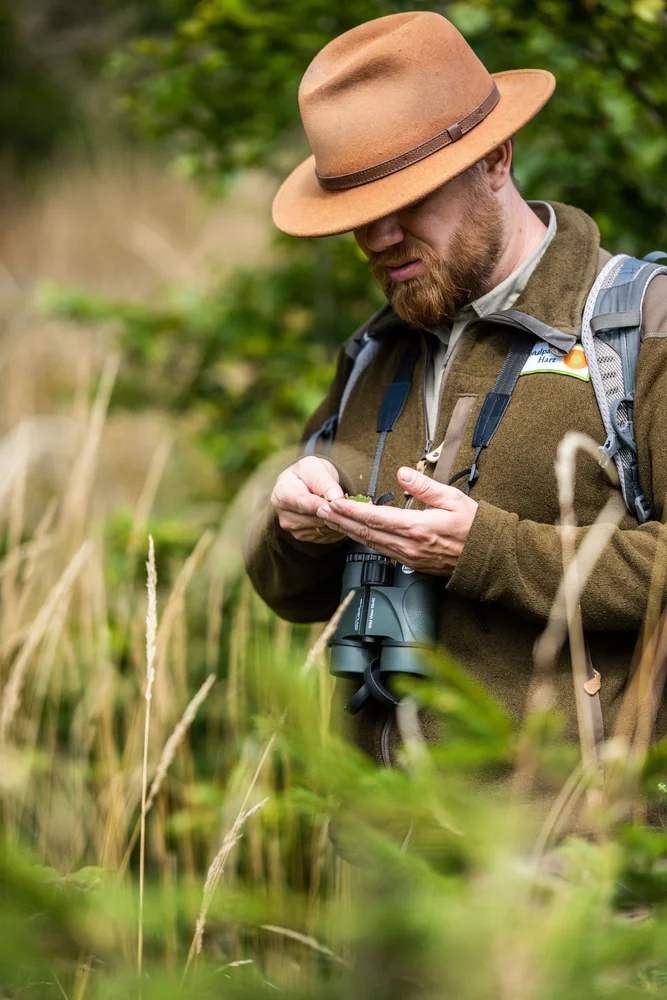
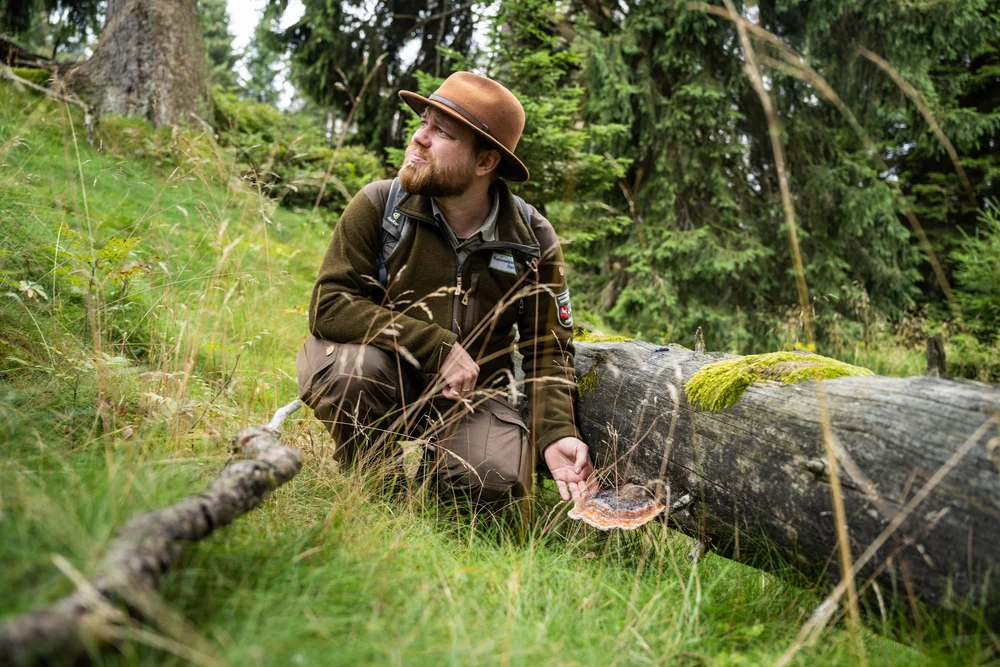
He identifies many species of butterflies and bees and points out anthills. Full of enthusiasm, he spots the traces of woodpeckers, squirrels and mice, because all three species love pine cones. Under one pine tree there are piles of seeds and two nibbled cones. He explains the differences in a way that is easy to understand, which enables anyone who is observant to identify the traces of the animals for themselves later on.
Transforming the forest
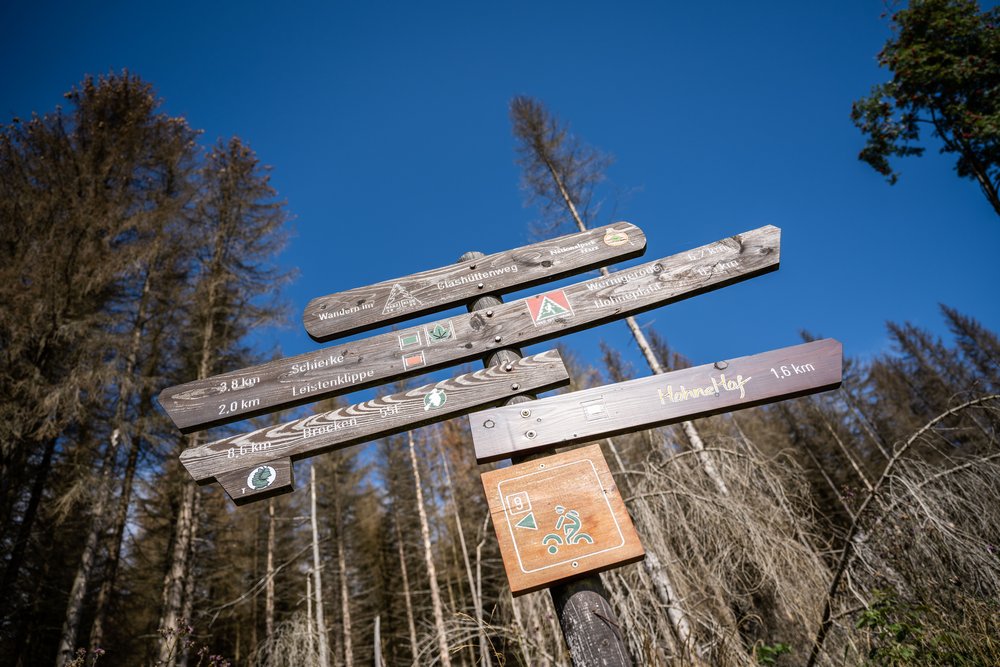
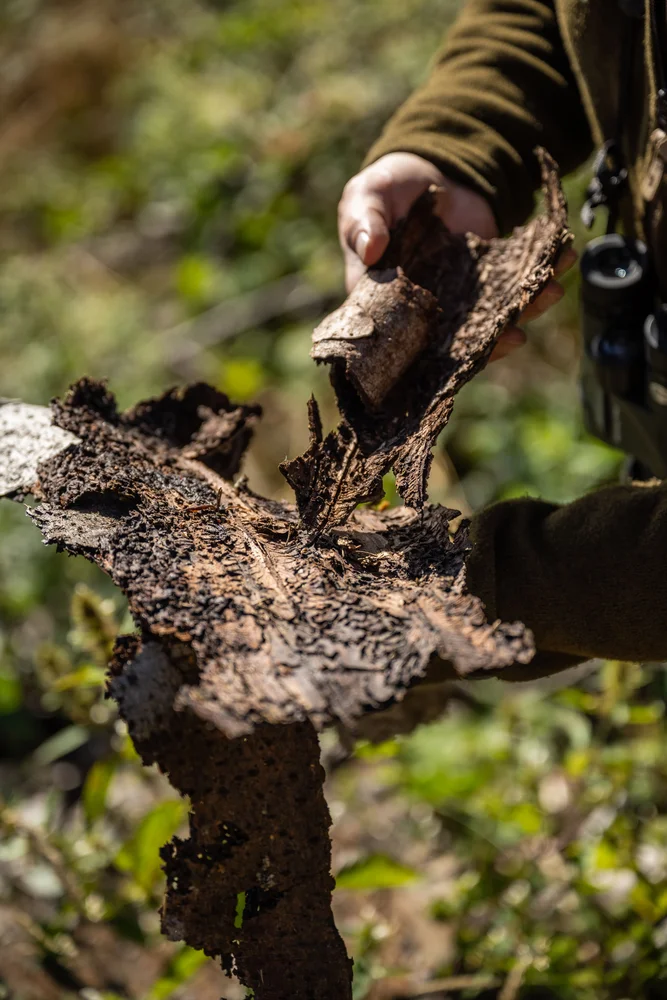
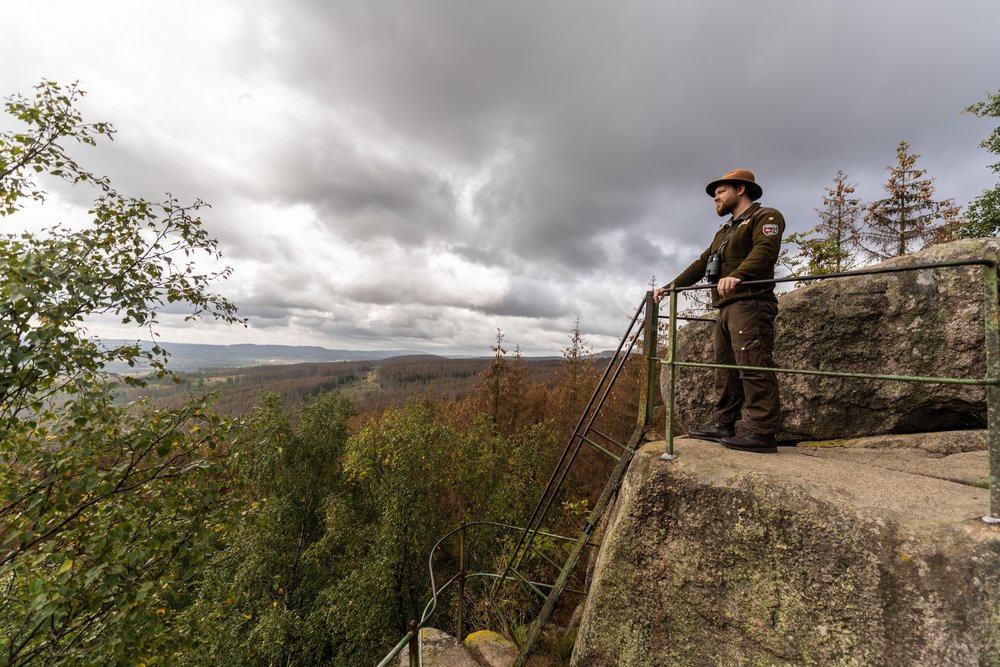
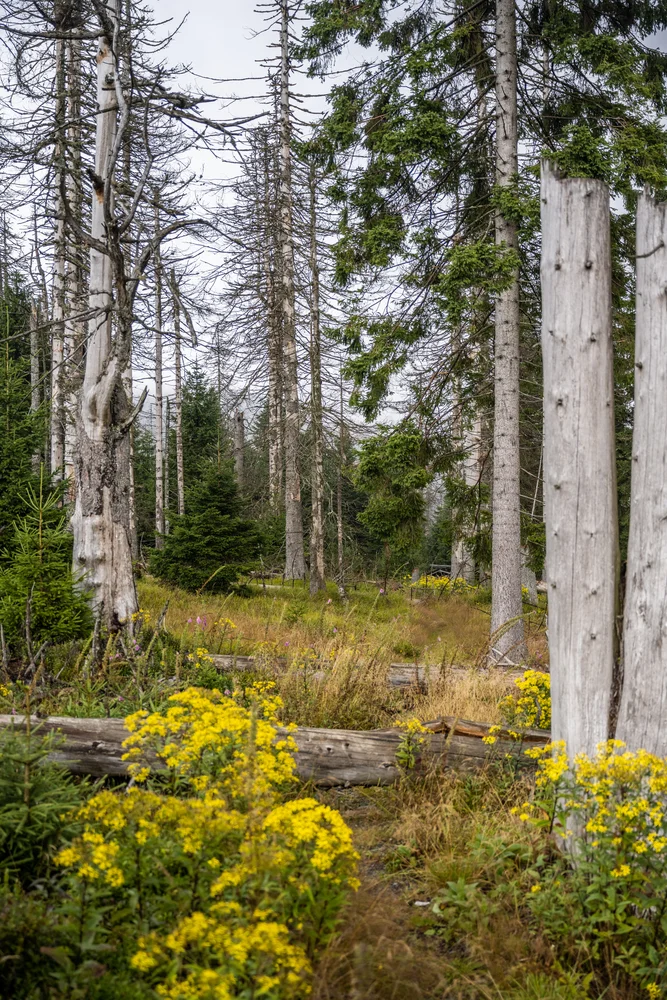
The traces of a very small, but very busy creature are plain to see and the once dense pine forests are dying in many places. Bark beetles are flourishing because of the dry summers in recent years. “The bark beetle has helped us in the national park and has accelerated the transformation of the forest,” says Hendrik Behrens. “But at the same time it is a disaster for the commercial forests in the Harz.” He knows what he is talking about, because he grew up on a farm where there was also a forestry business. “We need the timber industry just as much as we do the natural forests,” he emphasises. “Wood is an essential part of our daily lives. It is used to make beds, toilet paper, tables, chairs and chopping boards.”
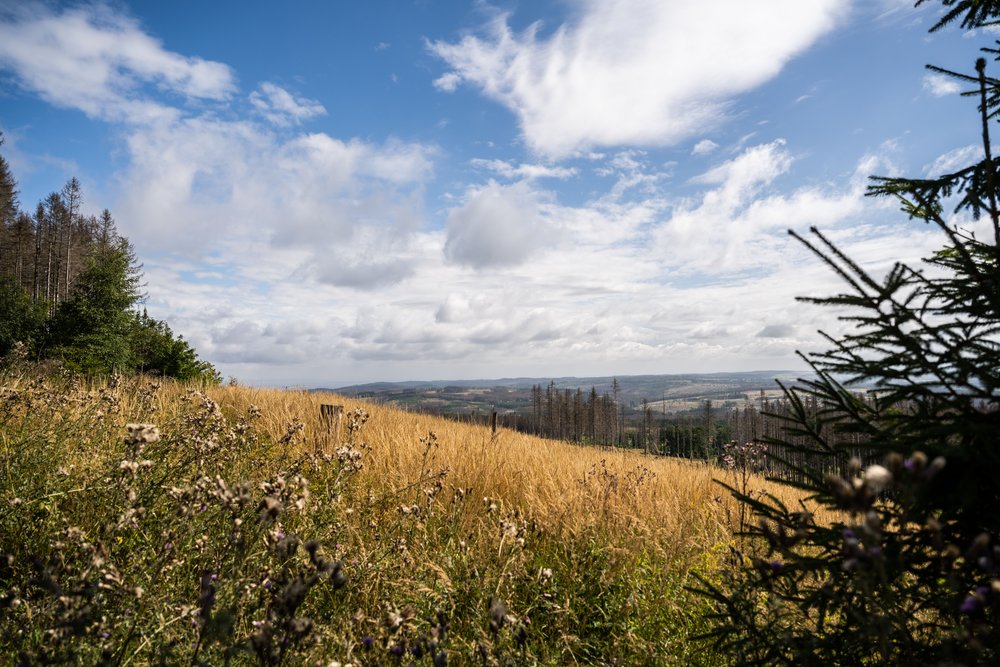
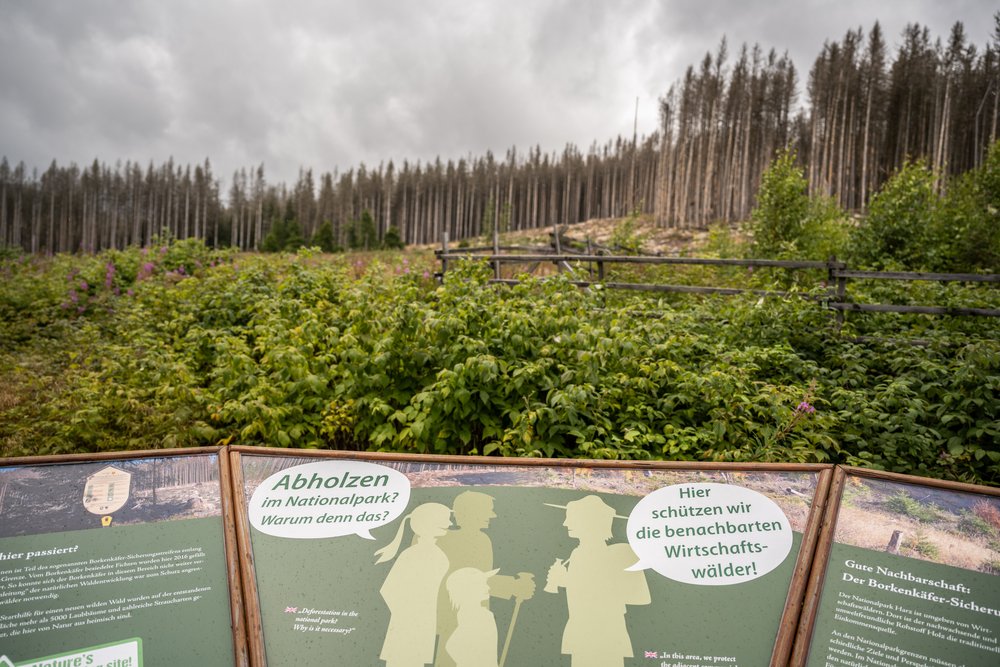
While active measures are being taken to eradicate the bark beetle in the commercial plantations with the aim of ensuring a good yield in the long term, in the national park, nature is being allowed to take its course. One exception is the 500-metre-wide bark beetle protection strips that have been created to protect the commercial forests on the edges of the national park. These have become valuable open spaces that provide a suitable habitat for yellowhammers, red kites, roe deer, hares and many other species.
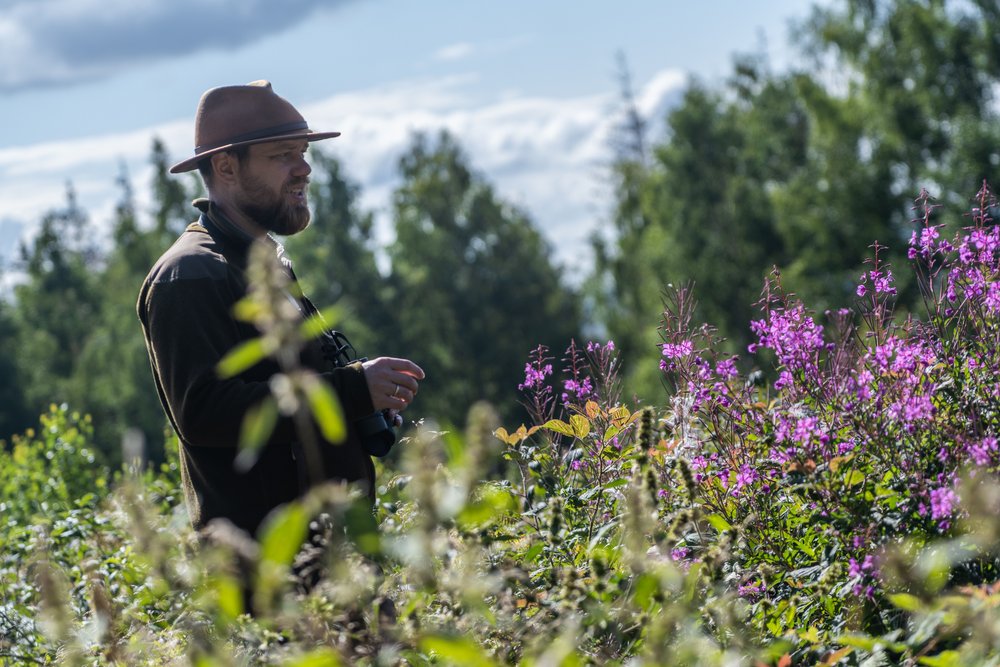
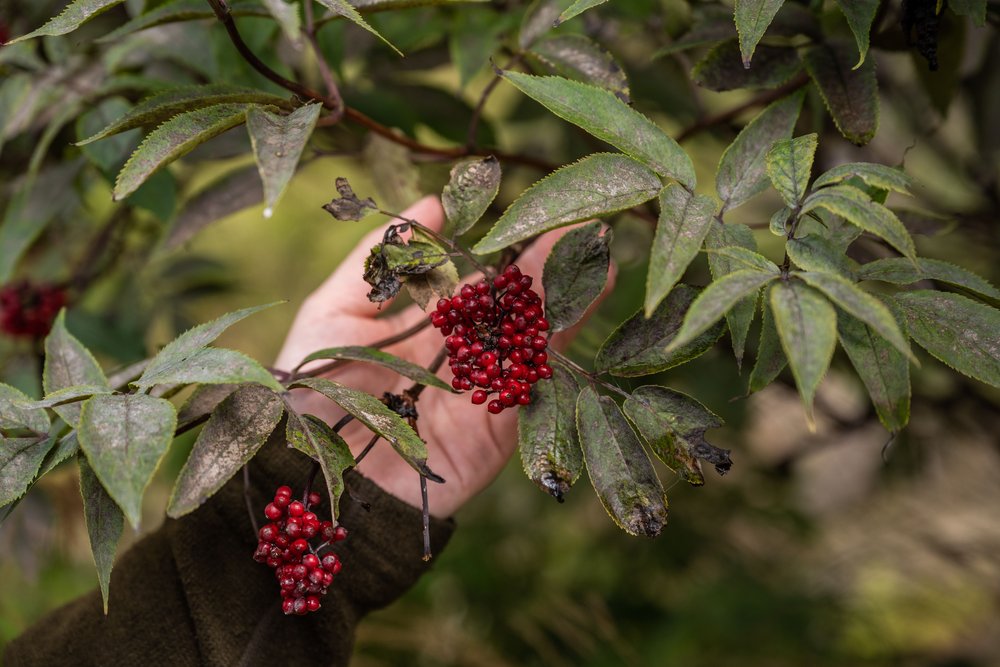
In summer, the wild flowers, such as pink foxgloves, purple thistles and yellow ragwort create a colourful display here. Now that the sunlight can once again reach the forest floor, plants are growing, including pioneer tree species like birch and rowan that will eventually create a new forest. Even dead trees are important habitats, if they are left undisturbed. The various species of woodpecker, the carpenters of the woods, benefit from the dead pine trees. They make holes in the trees which also function as homes for long-eared owls, pine martens, wild cats and many other animals.
One tip for visitors: on the Primeval Forest Path below the Brocken mountain and on several themed display boards on the path between Schierke and the Brocken, you will find interesting information about the life cycle of the forest, the changes currently taking place and the way that nature creates a new wilderness.
Dandelion Discovery Path
How far can a hare, a fox and a deer jump? Which animals have made these tracks? What does an owl sound like? These and many other questions are answered on the Dandelion Discovery Path at Drei Annen Hohne. The centre point of the 1.2-kilometre path is the venerable Hohne oak, which is more than 600 years old. Its broad crown has sheltered many people over the centuries. It is one of the oldest and largest oak trees in Saxony-Anhalt. If you look carefully, you will discover that the oak itself is a habitat. An ash tree is growing on its trunk and butterflies, such as Red Admirals, gather here before flying south. A Camberwell Beauty, a dark brown butterfly with a wing span of up to 75 mm, can also be seen. “The more varied the landscape, the greater the diversity of plants and animals,” explains Hendrik Behrens. The Dandelion Discovery Path is in the special use zone of the Harz national park, which consists of historically valuable mountain meadows, for example. In this part of the flora, fauna and habitat (FFH) area, regular maintenance measures, such as mowing, are carried out.
Treating nature with respect
The Hochharz national park was created in 1990 in Saxony-Anhalt and this was followed in 1994 by the conservation area in Lower Saxony. In 2006, the two areas were combined to form the first national park in Germany across two different regions. Around 10 percent of the entire Harz region is in the conservation area and more than two thirds of the national park is now the core zone, where there is no human intervention. To protect this valuable landscape and to enable it to expand, it is important for us to treat nature with respect and that is what the rangers are there to ensure.
For example, they check to make sure that no one is spending the night in the park and that people are keeping their dogs on leads. This rule concerning dogs has been in place for a very long time. In the oldest German book of laws, the Sachsenspiegel, which dates back to the 13th century, it states that dogs must be put on a leash when entering the Harz forest.
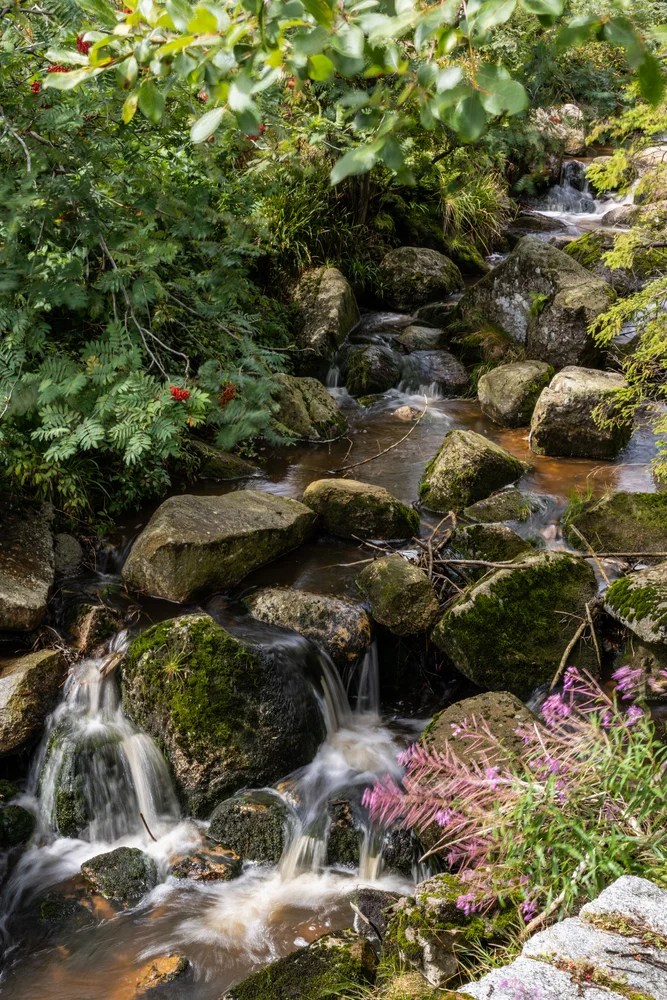
But carelessly discarded rubbish has a bigger impact. For example, one cigarette butt can contaminate up to 65 litres of water in a year. COVID-19 masks can become traps for small birds and animals. Even egg shells are a problem, because the calcium they contain encourages the growth of non-native plants in the Brocken area.
Anyone who decides to try some illegal climbing on the cliffs in the national park, such as the Grenzklippe, will probably not be aware of the destructive consequences of their actions. A wide variety of lichens and mosses grow on the rock formations. Some lichens take 50 years to reach the size of fingernail, so one step can destroy hundreds of years of growth.
Adventure tours
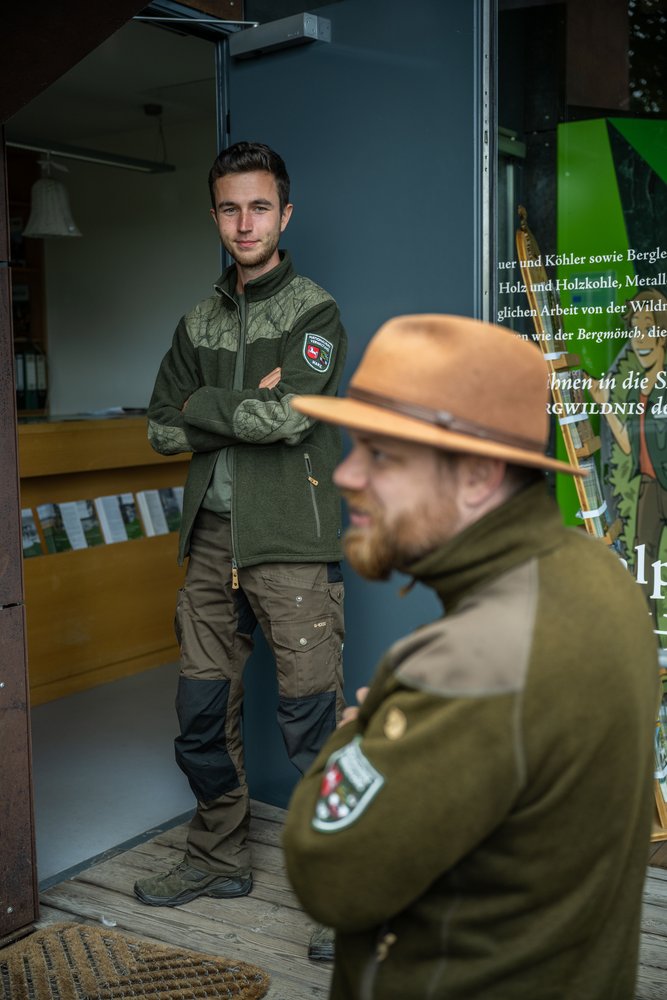
Guided tours with a national park ranger start regularly from all the ranger stations. They cover different themes and are of different lengths, which means that there is something to suit everyone. The exhibitions in the national park visitor centres give a good insight into the fascinating natural landscape of the Harz.
Visitors also have the opportunity to see lynx in the enclosure at Rabenklippe near Bad Harzburg. If you meet a ranger while you are walking, please do ask questions. The rangers are happy to help and interested in promoting the concept of the national park and acting as a link between people and the natural world.
Sie auch interessieren:
