

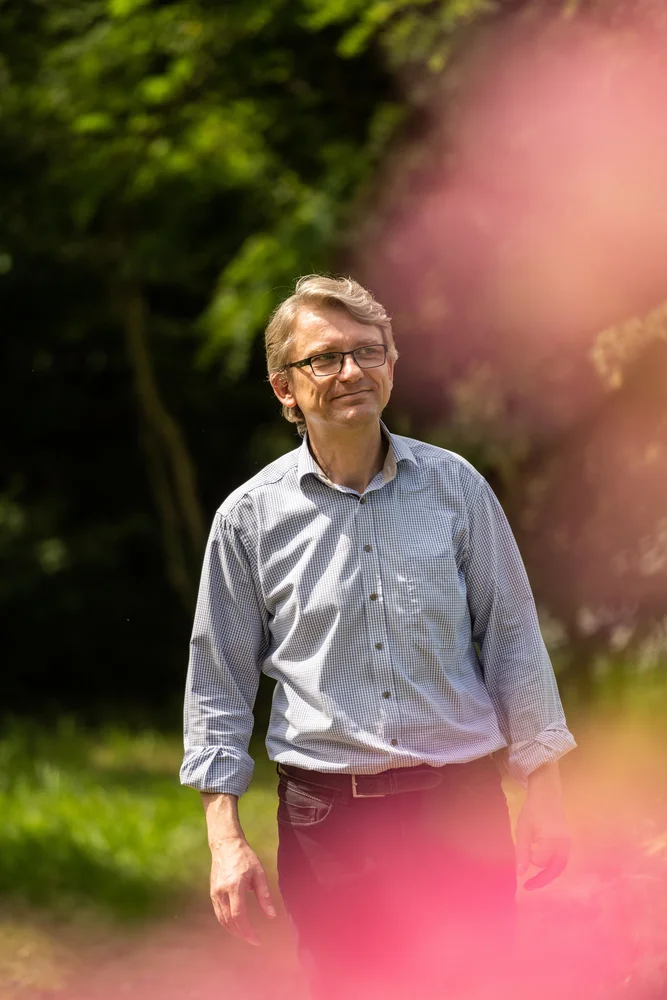
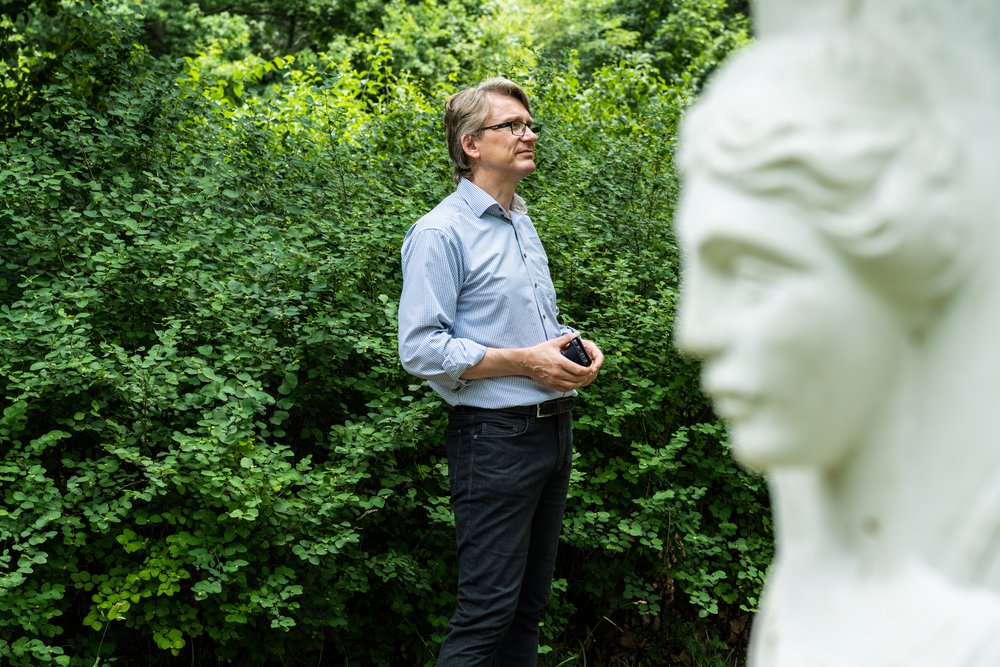
Michael Keller learned about gardening from the ground up. Following an apprenticeship, a degree in landscape architecture at the prestigious Dresden University of Technology and a busy career as a landscape designer, in spring 2017 he took on the responsibility of maintaining, renovating and updating the gardens and waterways in the Garden Kingdom of Dessau-Wörlitz. He is the successor to many famous directors of the gardens, including Schoch, Hallervorden and Ludwig Trauzettel.
We want to find out whether his job is more a pleasure than a burden.
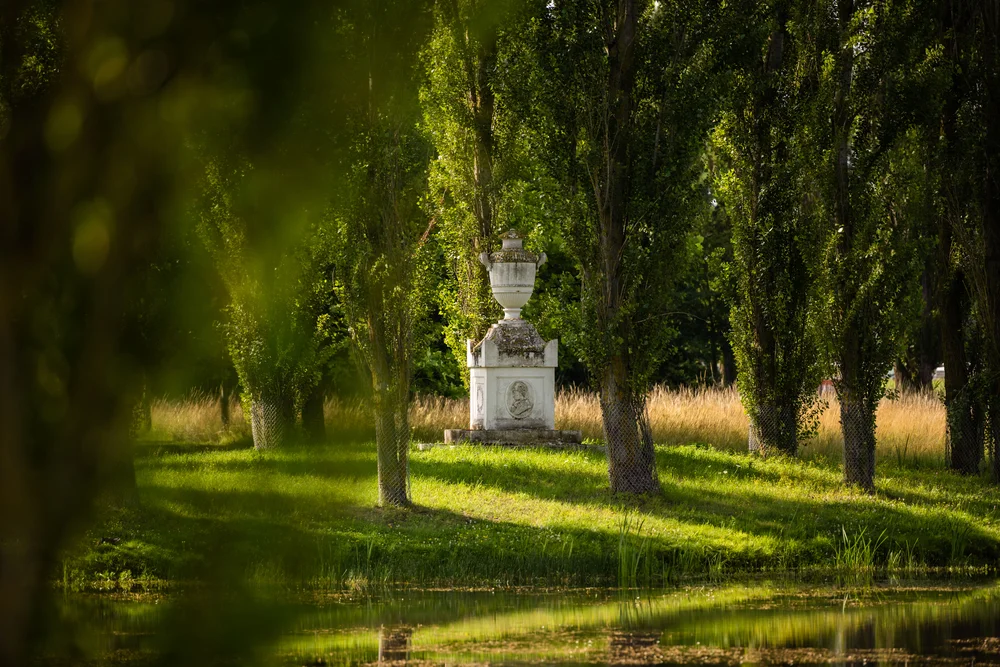
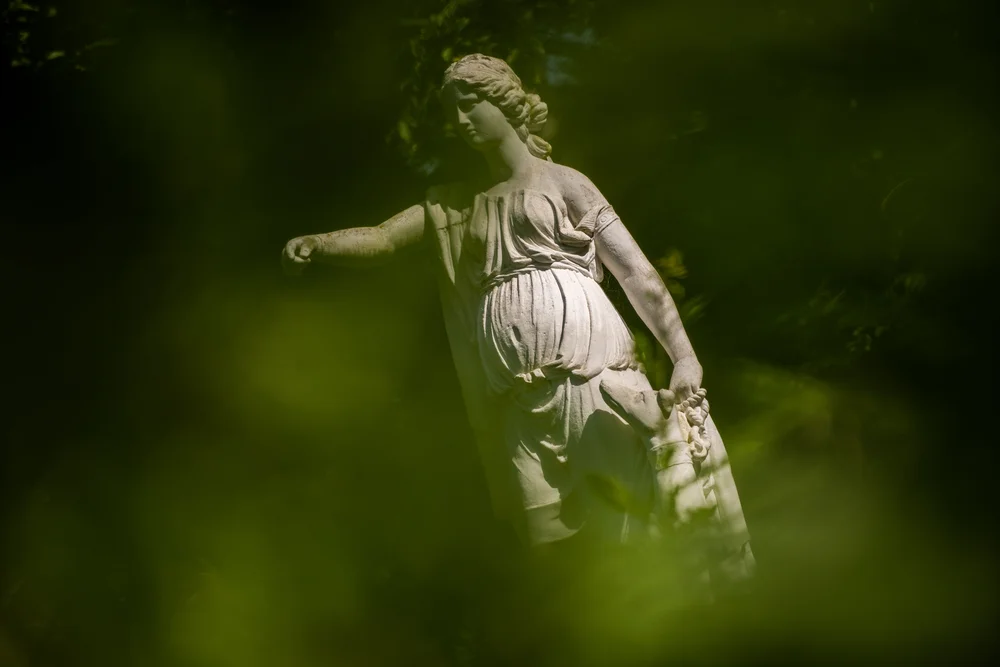
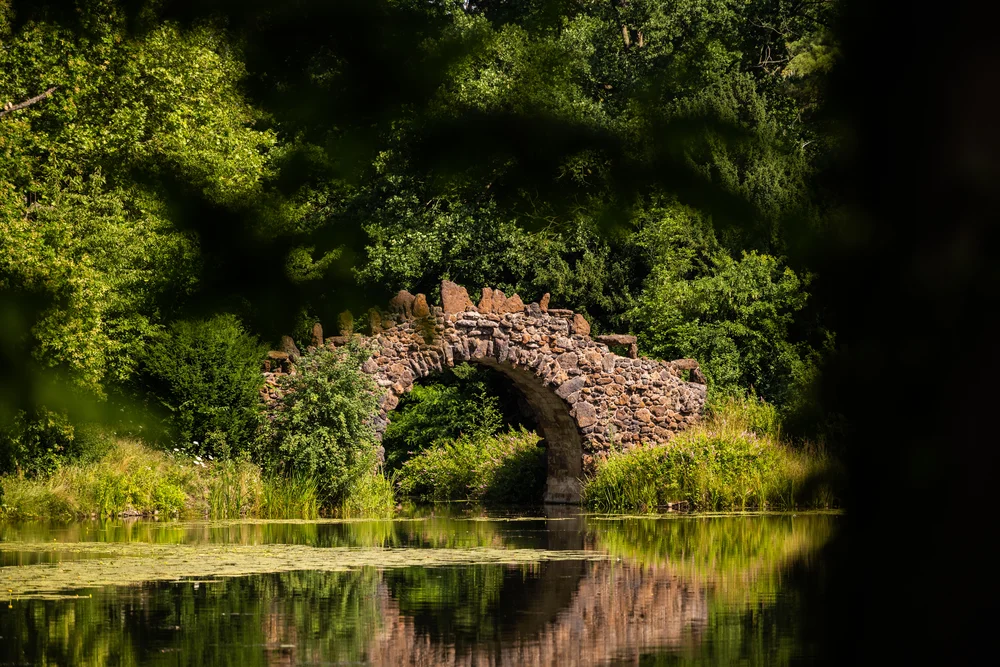
“A small piece of the Netherlands in the middle of Anhalt” is how the Oranienbaum palace and park are often described. They are located between the Wörlitz garden paradise and Ferropolis, known as “the city of iron”. This statement is not incorrect, but it is also not the whole truth.
Michael Keller loves accuracy and likes to get to the bottom of things and discover their roots.
The cultural landscape consisting of seven historic parks and gardens, which is now known as the Garden Kingdom of Dessau-Wörlitz, has important roots in Oranienbaum. And they have a touch of the Netherlands, a piece of Dutch history.
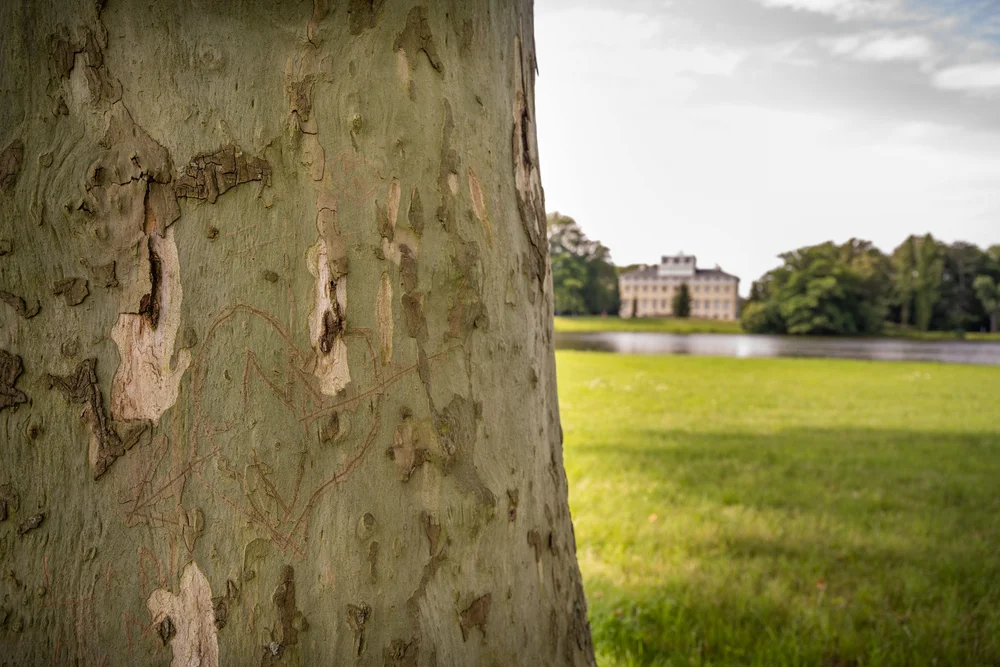
Michael Keller has some information on this subject, which initially sounds relatively unimportant. Only a few of the landscape parks in Germany have kept their original 17th century baroque design, as Oranienbaum has done. The park retained its Dutch appearance, with a clear and simple network of paths and with a moat that looks like a town canal.
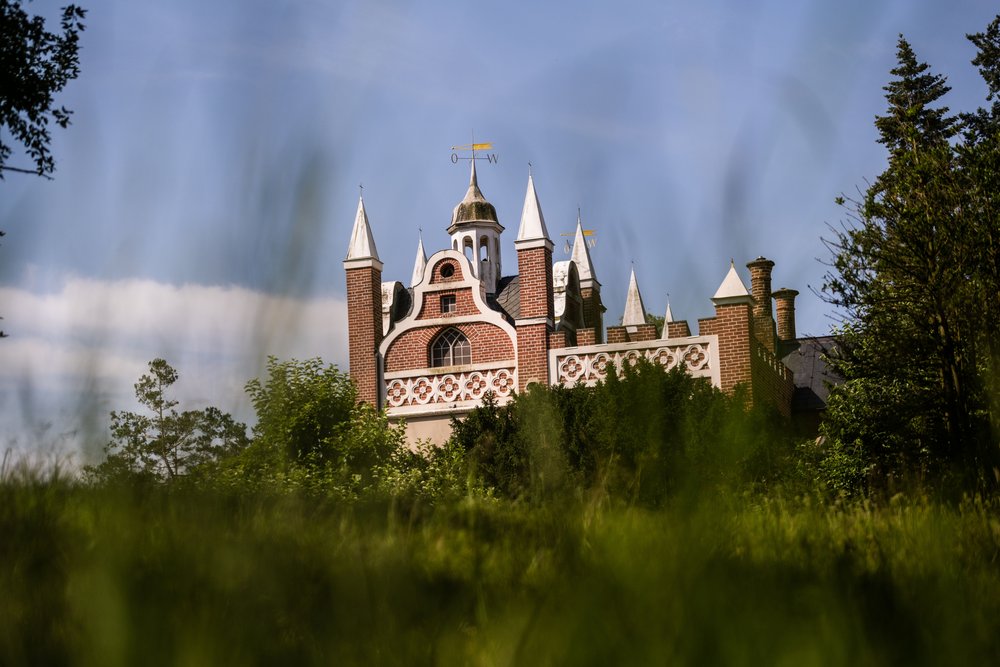
Later changes were relatively restrained, with one exception. Only a stone’s throw from this highly organised, geometric garden is a kingdom full of fantasy.
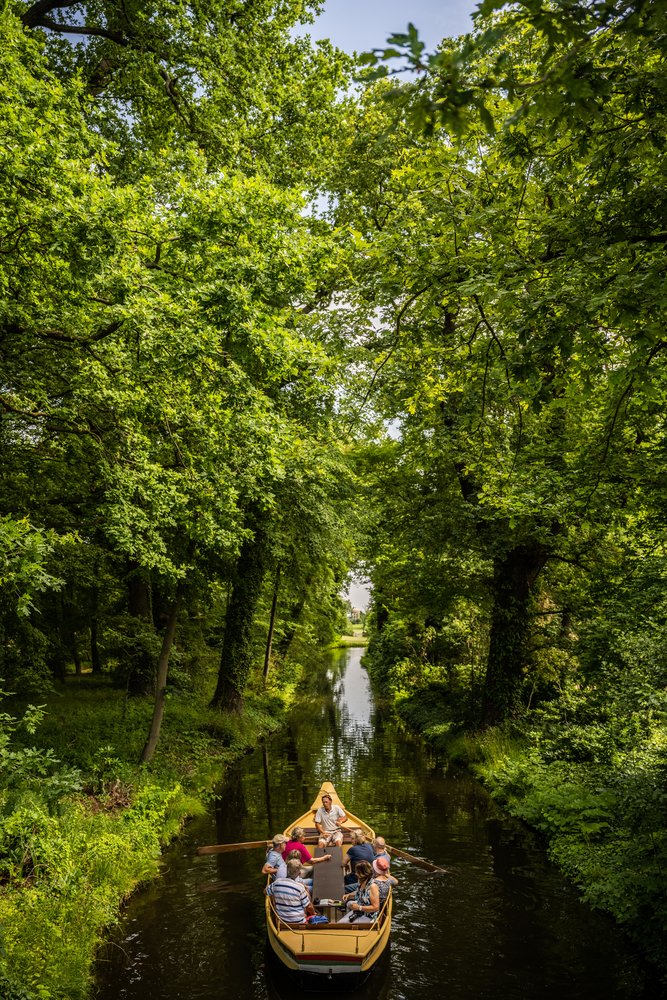
As result of Prince Franz’ enthusiasm for all things Chinese in the late 18th century, a living landscape of breathtaking English garden design was created. Winding paths with quaint bridges over bubbling brooks lead to a Chinese teahouse watched over by terrifying dragons.
The nearby pagoda is eye-catching and attracts visitors’ attention almost magically to Wörlitz where for Prince Franz everything began.
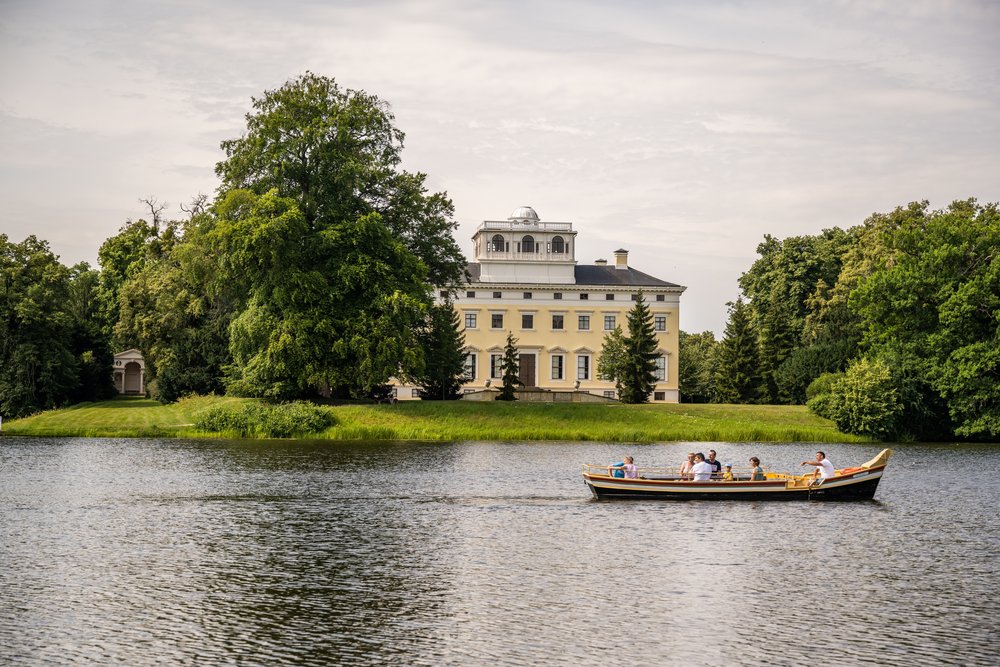
“Belvedere” is not a romantic reference to nostalgia for southern Europe from a recent travel blog. Here on the top of Wörlitz Palace, Prince Leopold III Friedrich Franz of Anhalt-Dessau must have stood in the spring of 1813. Like a helmsman on the bridge of a ship, he saw the delicate beams of the morning sun gradually rising over Vesuvius.
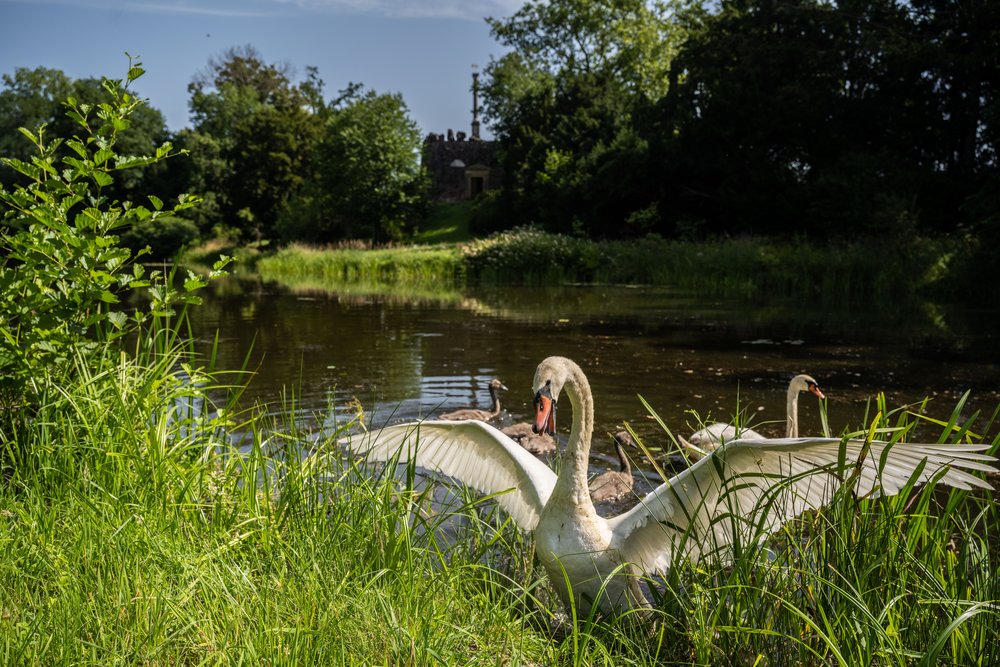
The red facade of the Villa Emma on the Bay of Naples would soon be engulfed in sunlight. And the swans on Lake Wörlitz would wake up and spread their wings. The work was complete. Prince Franz was looking down on his paradise; on Wörlitz Park where he had brought together small-scale versions of landscapes and architectures from Italy, England and Germany to create a beautiful new world – right at the heart of the small and not very important principality of Anhalt, the buffer zone between Prussia and Saxony.
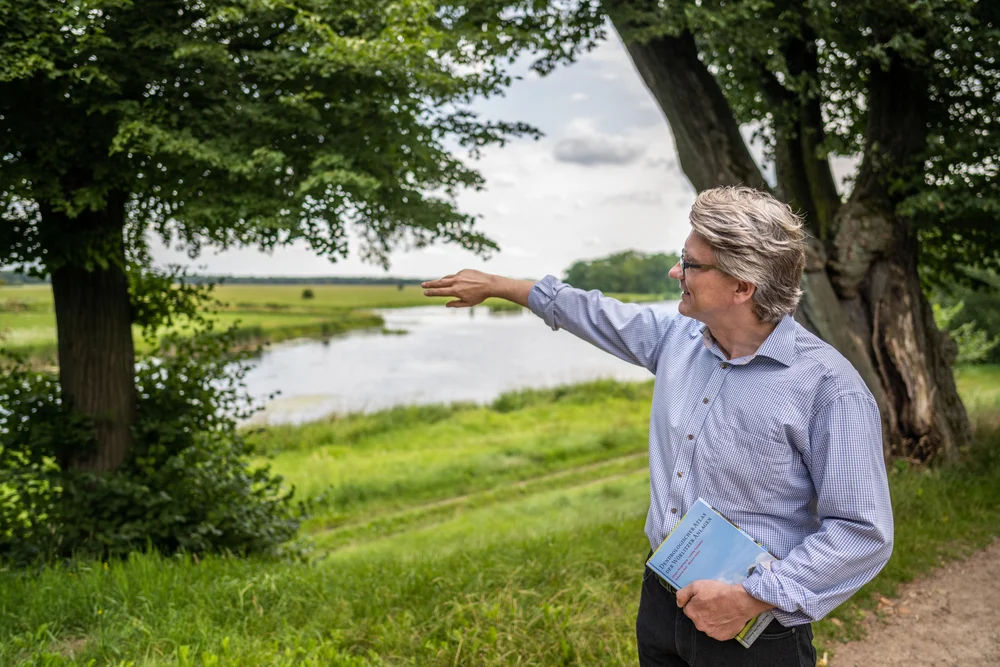
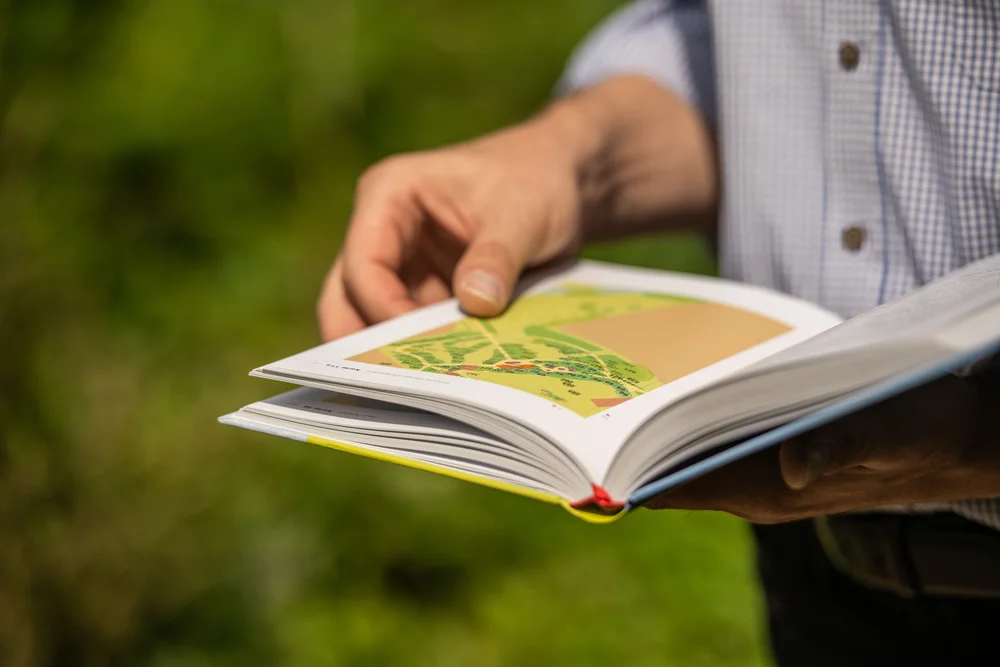
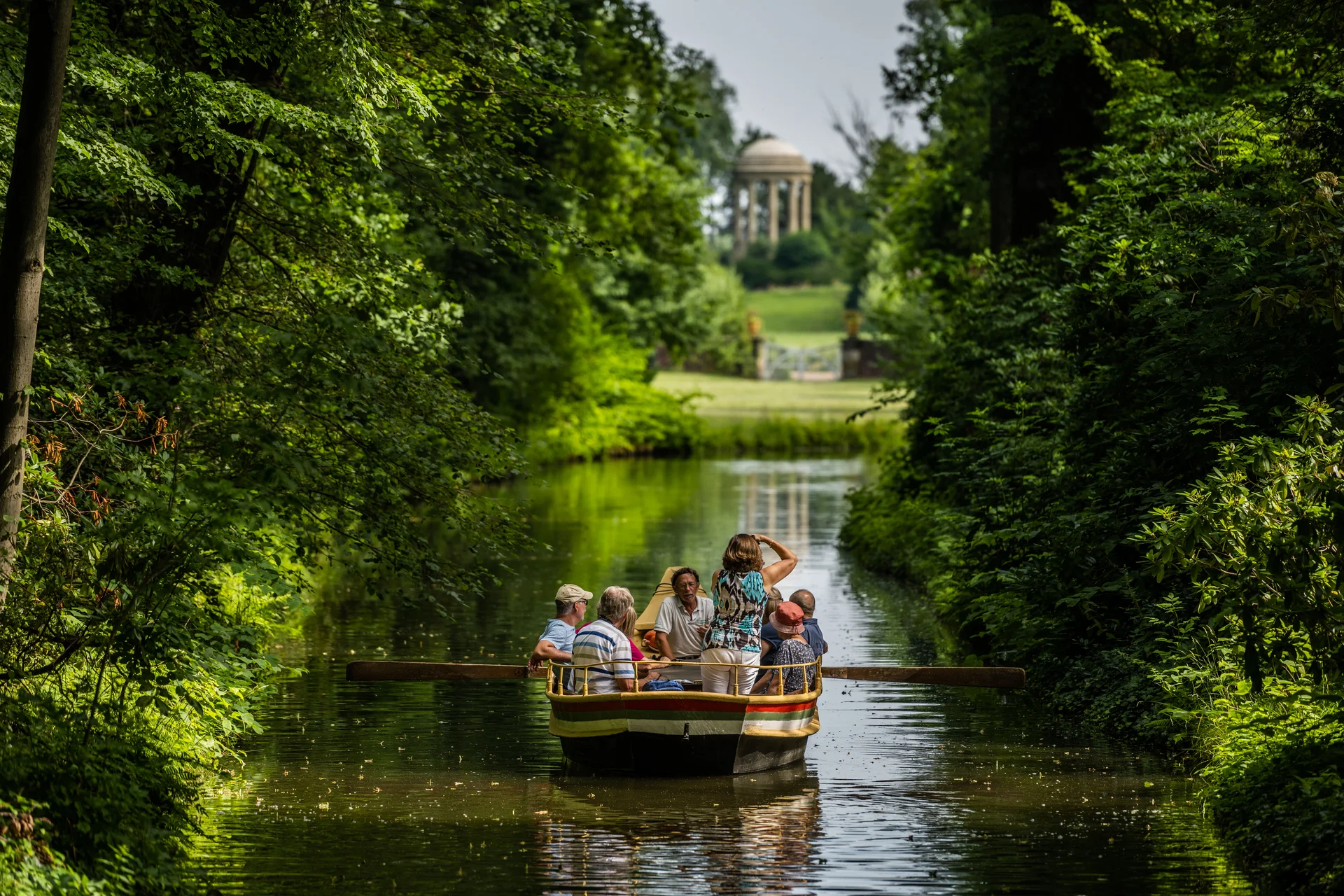
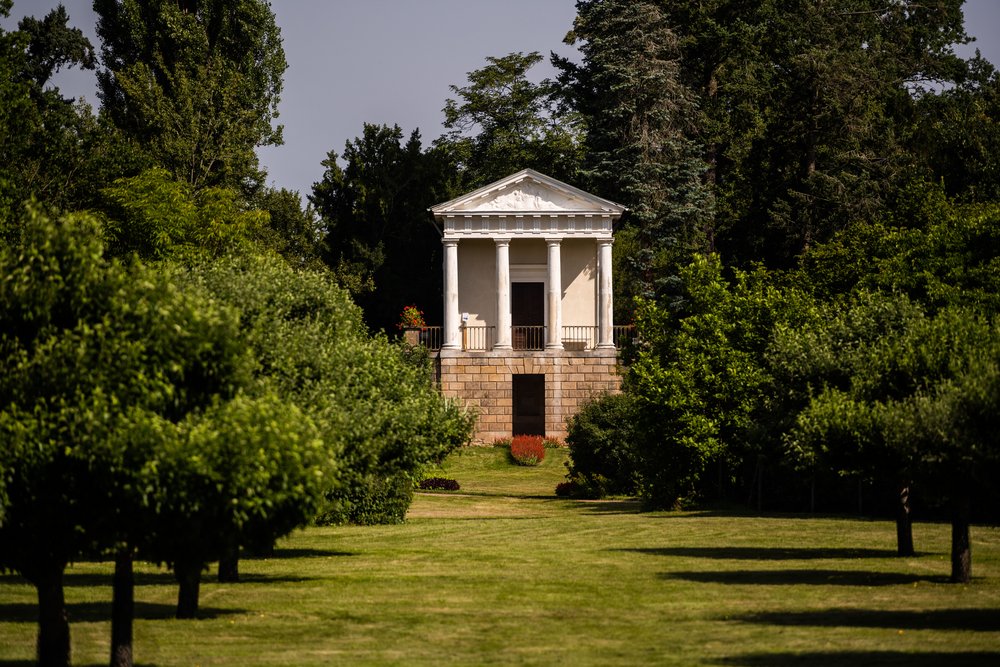
But Michael Keller is not up on the palace roof. Instead he is walking through the park: “The fascinating thing for me about a landscape garden is how people are directed and guided through the park by its design. I’m just heading towards an appealing destination and suddenly I spot a mysterious temple between all the trees and shrubs. This view is not a coincidence. Schoch and Neumark, the gardeners at Wörlitz, were magnificent artists who understood their craft.”
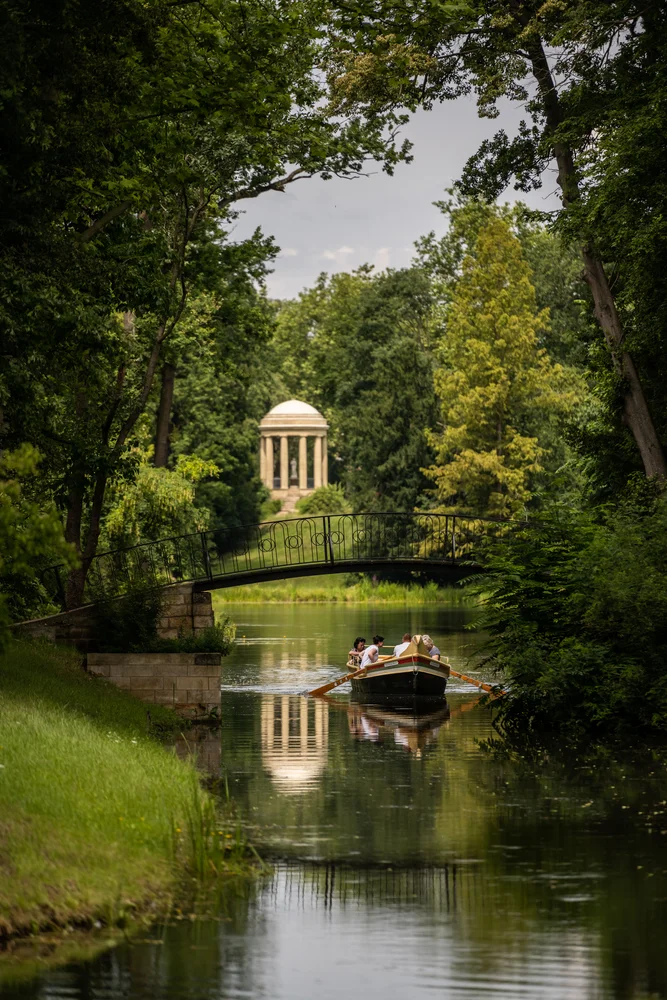
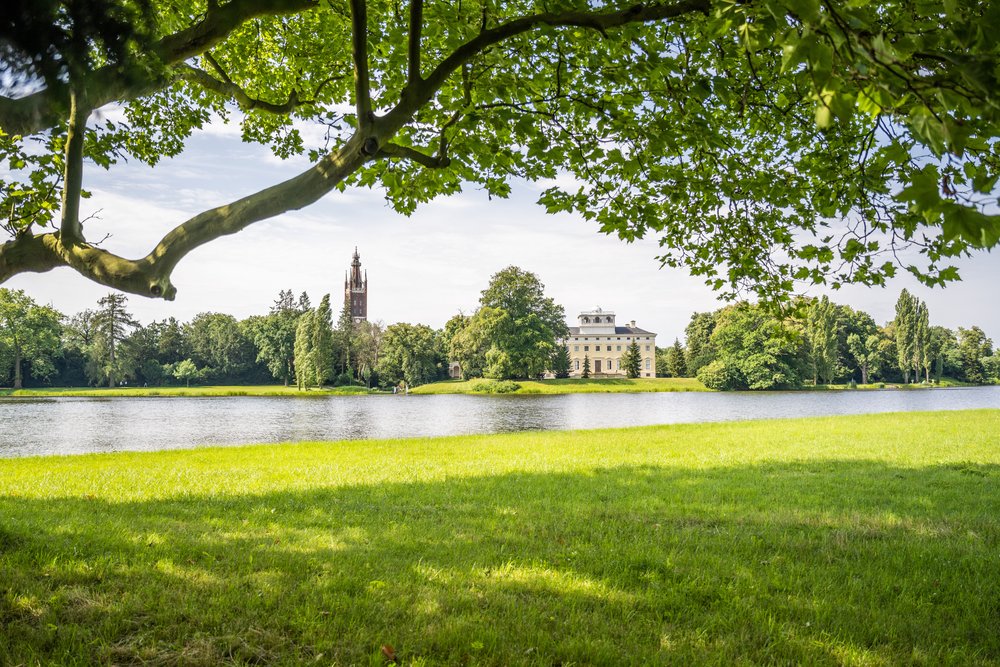
Nowadays, Keller’s skills and imagination are much in demand, because Wörlitz Park is the jewel in the crown of the Garden Kingdom of Dessau-Wörlitz and is visited every year by several hundred thousand people. Visitors enjoy the high standards at this UNESCO World Heritage site, stroll over the 17 unusual bridges, discover ancient temples and monuments, satisfy their longing for the warmer climes of southern Europe in the amphitheatre on Stein Island, admire the English windows, precious paintings and Chinese designs in the beautifully restored palace, can hardly tear themselves away from the Swiss glass paintings in the Gothic House and finally treat themselves to a gondola ride over the peaceful lake with a delicious evening buffet meal on board. With a smile you want to say: “Stay a while, you are so beautiful.”
“Wörlitz Park was created in the water meadows of the Elbe river”
For the Head of Gardens and Watercourses, which is Michael Keller’s official title in the Dessau-Wörlitz Cultural Foundation team, none of this is to be taken for granted: “Wörlitz Park was created in the water meadows of the Elbe river. It’s no surprise that the soil is not always ideally suited to the establishment of a garden with such a variety of trees and shrubs.
Although landscape gardens are intended to appear entirely natural, their secret lies in a man-made plan. And the plan of Prince Franz was to reconcile beauty and usefulness, the return to nature, as described by Jean-Jacques Rousseau, and, at the same time, to create jobs and educational opportunities for his subjects.
All of this in the middle of the Elbe water meadows between Wörlitz and Coswig on a flood plain with soils of very different types which are often too wet and even more often too dry.
In recent years, this has had an impact on the appearance of Wörlitz Park. Or as Michael Keller puts it: “The hot summers with too little rain and the considerable drop in the water levels of the lakes and streams in the park and in the nearby Elbe and Mulde rivers, together with disappearing groundwater reserves, have caused significant stress for many plant species which has resulted in damage.”
The oaks that are characteristic of the landscape and the park show clear signs of the effects of the weather and Keller is also focusing on the 450 other species of trees and shrubs in the park. This gives him a good opportunity to investigate the roots or, to put it more accurately, the origins of the Garden Kingdom in Wörlitz.
Prince Franz’ desire for innovation was sparked in particular by stays in England and the Netherlands.
There he saw how modern ways of thinking led to ground-breaking ideas, which also gave rise to completely new technologies. For example, the fact that you could drain a landscape using intelligent water management and, at the same time, use it for agriculture and horticulture. Or create a carefully designed network of dykes with an appropriate monitoring system that can permanently prevent the risk of flooding.
This is not about managing nature, but about understanding it, increasing its positive impact and having a long-term influence on any problems. In this sense, Michael Keller feels strong links with the tradition of the Garden Kingdom of Dessau-Wörlitz. After the abnormal floods in 2002 and 2013, a number of companies offered to install flood protection systems with a location and a design that would not damage the cultural landscape or the artworks in the garden.
Michael Keller feels that many of the approaches, processes and ideas of earlier periods are still worth considering. For example, the past practice of growing the plants that will suit the layout of the park in the park itself. Nowadays, cultivating plants locally is seen as one option for developing more resilient trees and shrubs that can withstand the effects of climate change. This would make a nursery at the park an interesting place for testing and propagating new plants.
Training the next generation of gardeners is also very important. Apprenticeships in historic gardens enable young people to learn the skills needed to manage them. And perhaps to turn the lemon, orange and lime trees in the collection at Oranienbaum, which has gradually been built up since the 1990s, into one of the most impressive displays of citrus trees in Europe.
The longest orangery in Europe is available to house them.
To round off, an interesting question: What would the much-photographed tolerance view in Wörlitz Park be like without water?
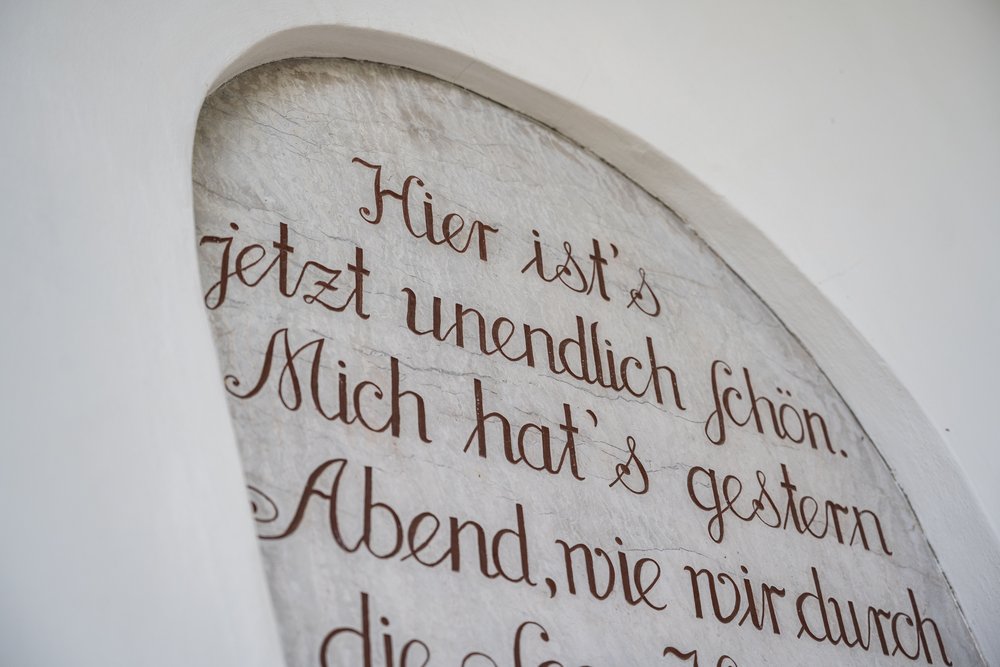
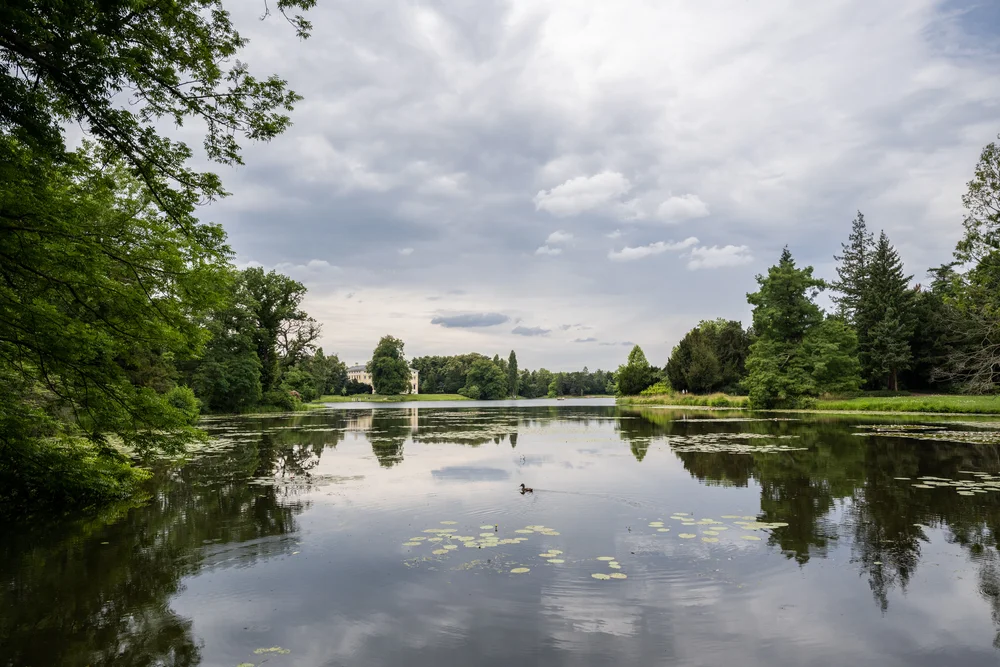
No reflections in the water of the peaceful canals of the massive trees against the backdrop of a blue sky scattered with clouds. Nothing to draw your eyes across to the synagogue and St. Peter’s Church with the Golden Urn in the foreground. And no encouragement to take a sideways look at the wonderful inscription in the maze on the island named after the gardener Neumark:
“Wanderer, choose your path with reason.”
For Michael Keller, all of this involves hard work and innovation, but it is also his philosophy of life.
Welterbezentrum Gartenreich
Dessau-Wörlitz gGmbH
im Küchengebäude am Schloss Wörlitz
Kirchgasse 35, 06785 Oranienbaum-Wörlitz
Telefon 0349 05-31009
info@welterbe-gartenreich.de
Sie auch interessieren:
