

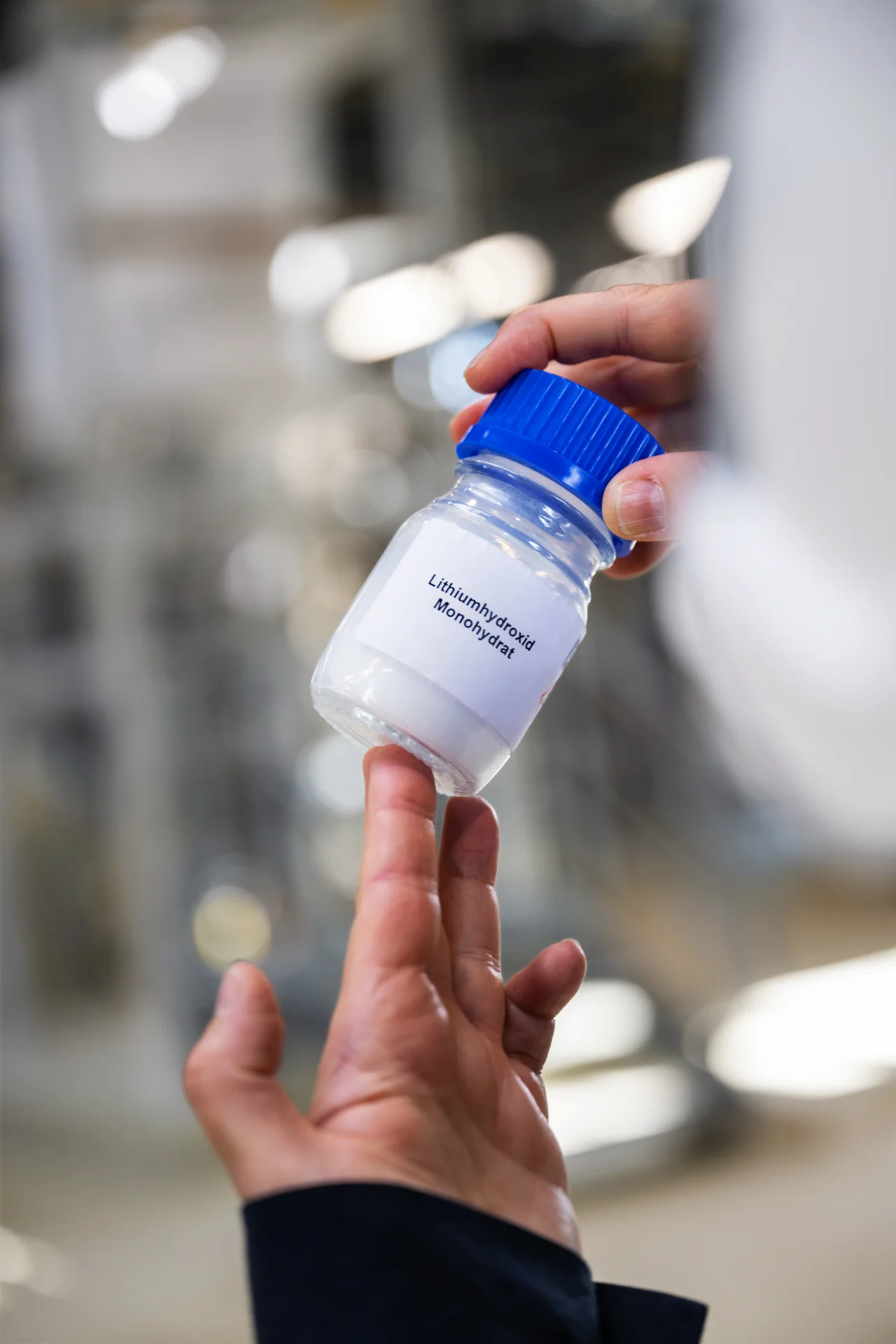
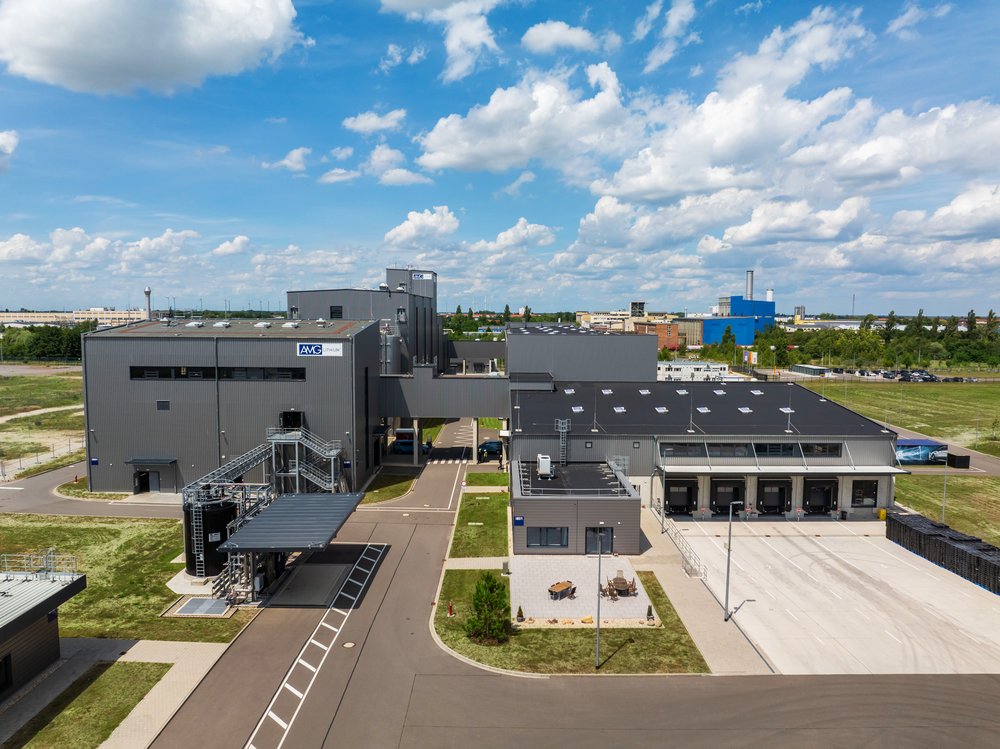
AMG Lithium, located in the Bitterfeld-Wolfen Chemical Park, is shifting into high gear. The company operates Europe’s first lithium refinery for battery-grade lithium hydroxide—one of the most important raw materials for electric mobility—at a designated “Future Site of Europe.”
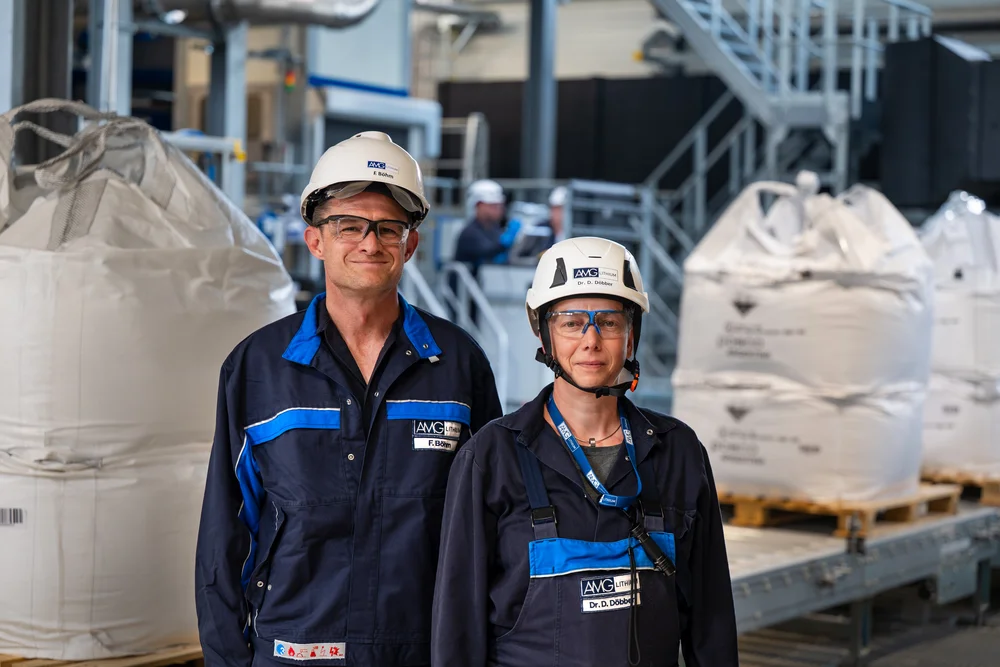
In Bitterfeld-Wolfen, raw materials are transformed into high-purity lithium hydroxide, which is used, among other things, in the batteries of electric vehicles. What is produced here is far more than just a basic chemical ingredient: it is a key building block for Europe’s industrial future. It is no coincidence that Bitterfeld-Wolfen, of all places, was chosen as the site. For more than a century, the region has been synonymous with industrial innovation. As early as 1936, the world’s first modern color film was unveiled on the grounds of what was then the Wolfen Film Factory. Today, technological history is once again being written here—this time for the energy and mobility transition.
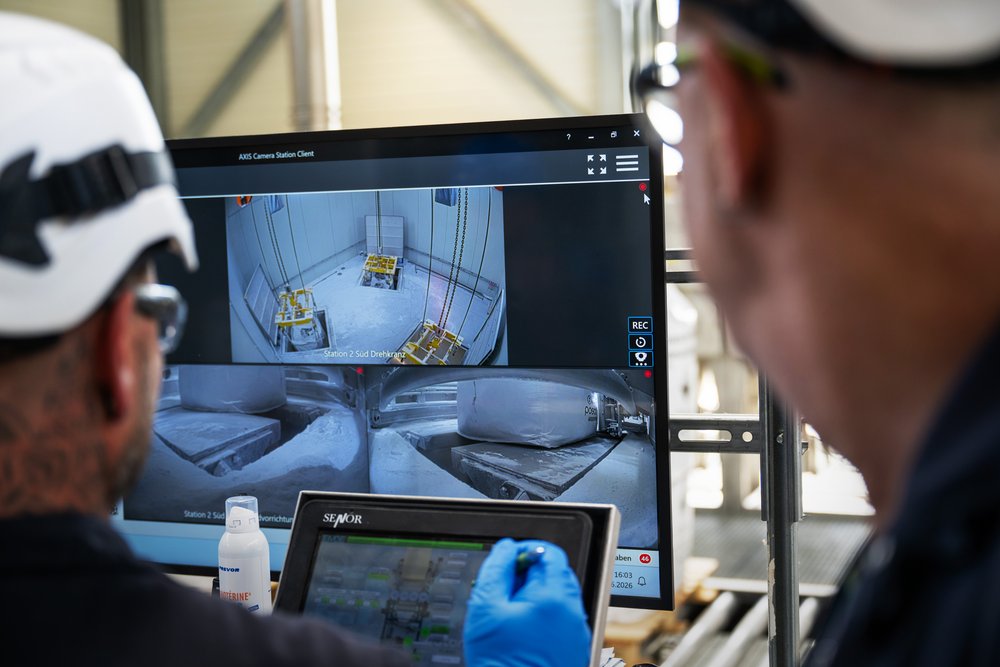
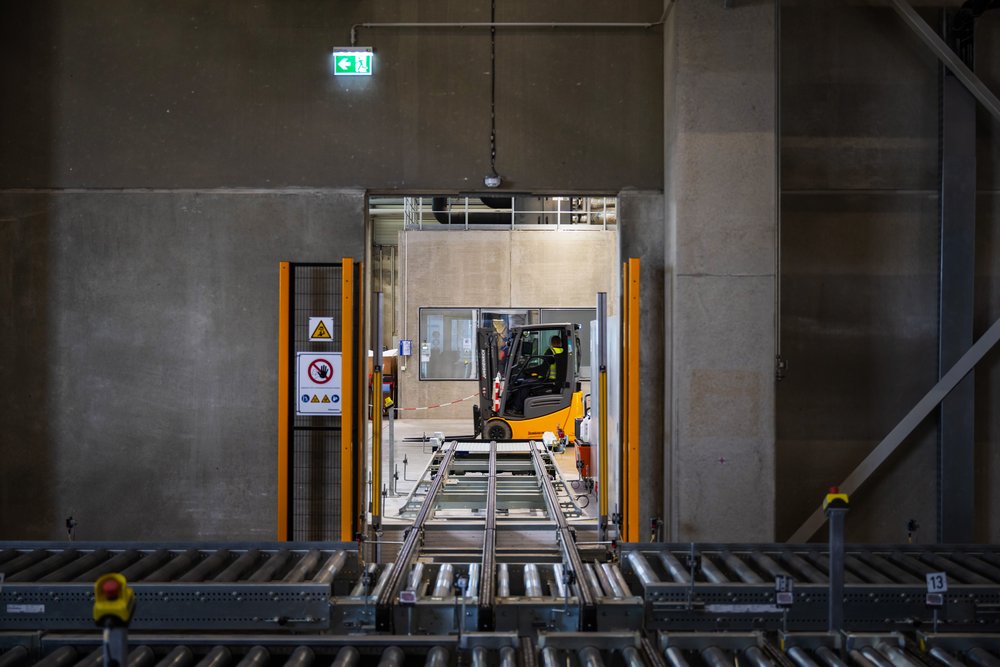
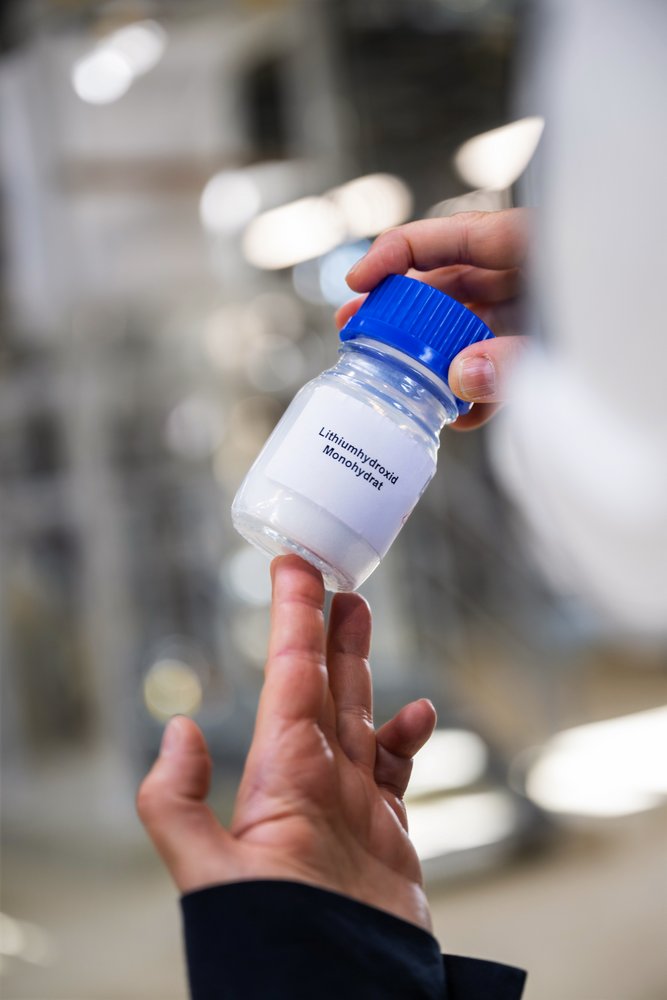
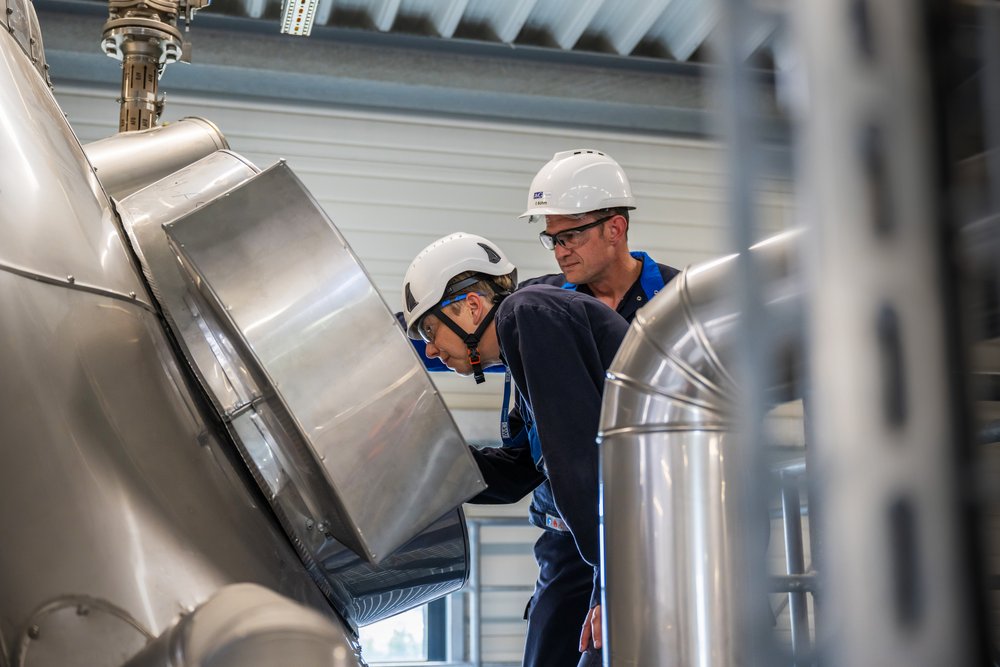
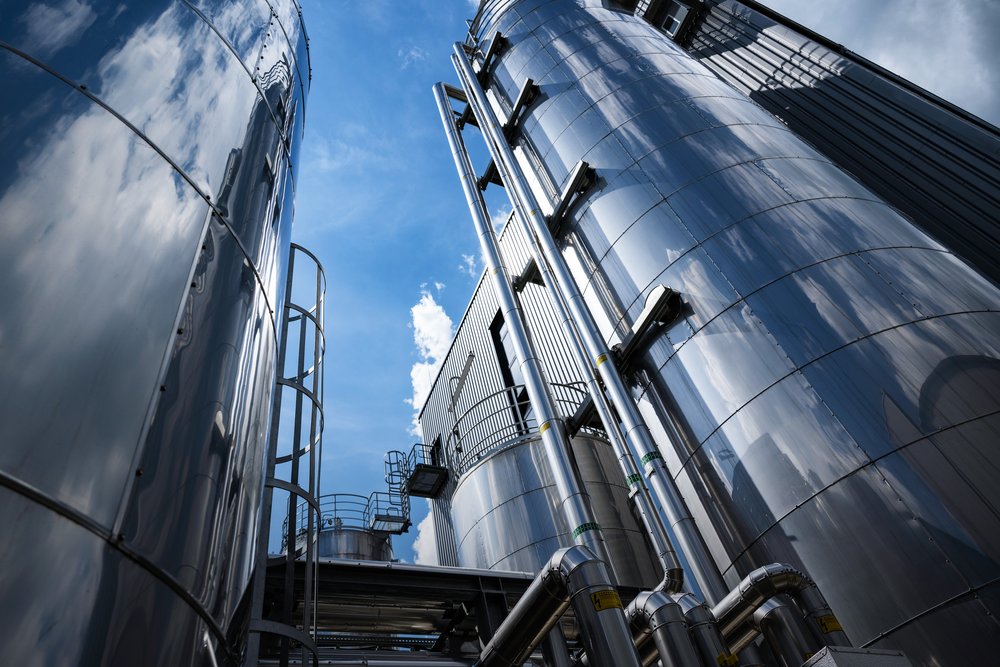
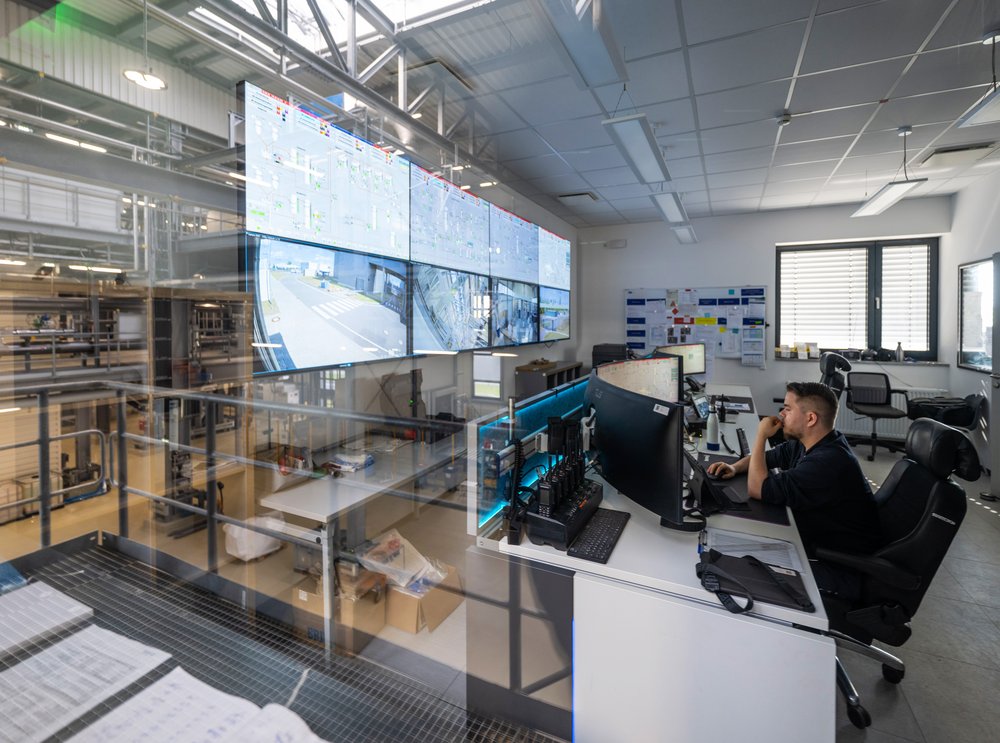
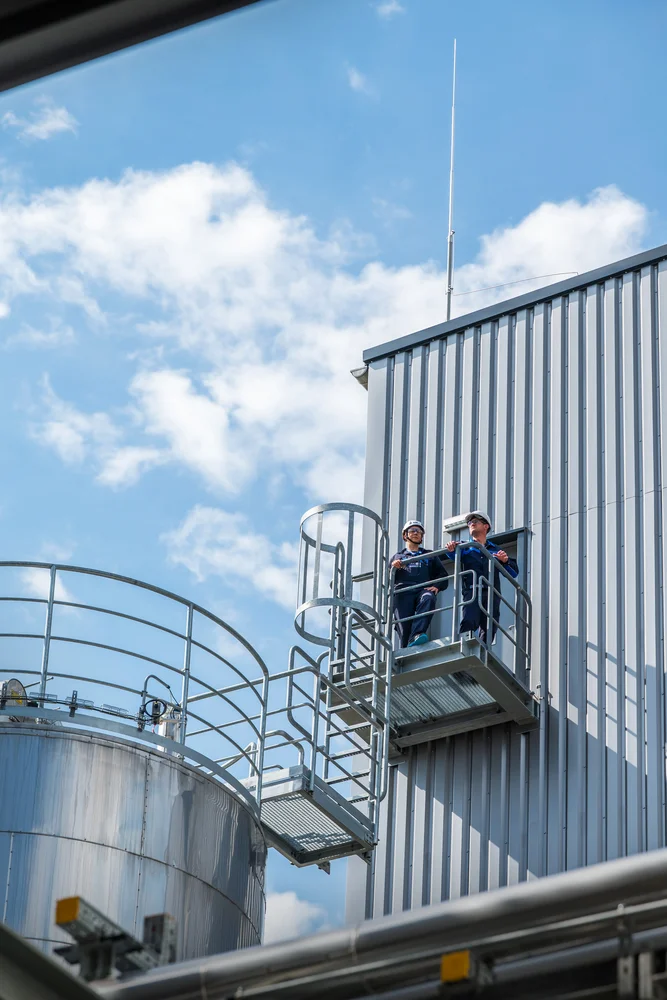
The scale of the facility makes it clear what’s at stake: large production halls, kilometers of piping, massive tanks, and big bags filled with white crystals that, at first glance, resemble table sugar. In fact, it is high-purity lithium hydroxide—an indispensable raw material for lithium-ion batteries. The purity of the material is precisely what determines the performance of modern batteries. Lithium ions must be able to move as efficiently as possible within the batteries so that electric vehicles can achieve long ranges and be charged quickly. This is exactly why the lithium is refined in Bitterfeld-Wolfen.
Developing Highly Complex Expertise
At first glance, the process sounds simple: the material is purified and chemically enriched. In reality, however, it involves highly complex expertise. Europe has so far been heavily dependent on imports for lithium and its further processing. China, in particular, dominates large parts of the global supply chains and possesses crucial technological know-how in refining the raw material. At the same time, global demand for lithium is rising rapidly. Electric vehicles, stationary energy storage systems, smartphones, and laptops—they all require lithium-ion batteries. Added to this are industries such as aerospace and the defense sector, where lithium also plays a strategically important role.
AMG Lithium GmbH
AMG Lithium GmbH
AMG Lithium GmbH
“We are doing truly pioneering work here and building our own value chain.”
The Bitterfeld-Wolfen Chemical Park is one of Germany’s most important chemical and industrial sites and has been designated a “center of excellence” by the state of Saxony-Anhalt. Research, development, and production have been taking place here since 1893. The existing infrastructure, industrial expertise, and available land offer companies ideal conditions for large-scale industrial projects.
Cooperation with the state and local authorities has also played an important role for the company. “In Saxony-Anhalt, investors are genuinely welcomed,” says Scherer. “The authorities support us in setting up our industrial facilities rather than hindering us.” Support also came from the federal and state governments. The construction of the refinery was supported, among other things, by funding for transformation projects in former coal-mining regions. The plant was deliberately designed with a modular structure. Currently, AMG Lithium in Bitterfeld-Wolfen can produce approximately 20,000 metric tons of lithium hydroxide annually. “That’s enough, theoretically, for the batteries of about 500,000 electric cars,” explains Dr. Doreen Döbber, production manager.
AMG Lithium GmbH
AMG Lithium GmbH
AMG Lithium GmbH
AMG Lithium GmbH
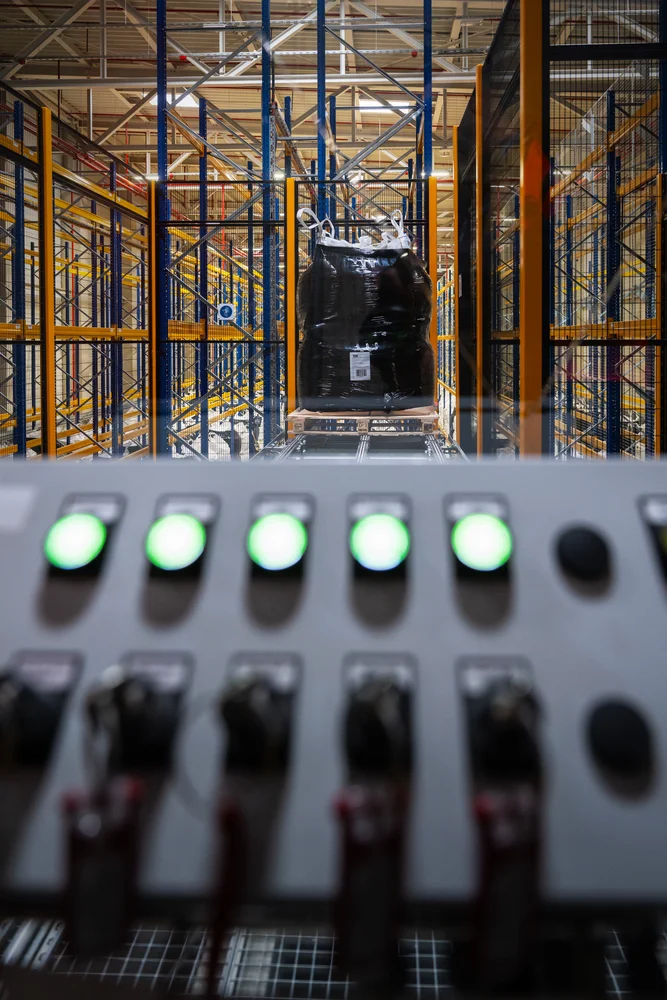
In the future, four additional production modules could be built. Once fully operational, the facility could have a capacity of up to 100,000 metric tons of lithium hydroxide per year. More than 90 employees are already working at the site. The company primarily supplies European customers—including battery and cell manufacturers in countries such as Poland and Hungary. At the same time, AMG is already looking ahead to the next step: In the future, lithium will increasingly be recovered from used batteries. Recycling this raw material is considered a key lever for securing resources in the long term and expanding the European circular economy.
Where film history was once made, technologies for the mobility and energy supply of the future are now in use. Or, as the company puts it: “When such an important raw material is processed in Europe—right on our doorstep—in the future, it will not only make our industry more independent but also more secure in an increasingly uncertain world.”
Website: https://amglithium.com/de/home
Learn more HERE about investment and growth opportunities in the chemical industry in Saxony-Anhalt.
Sie auch interessieren:
