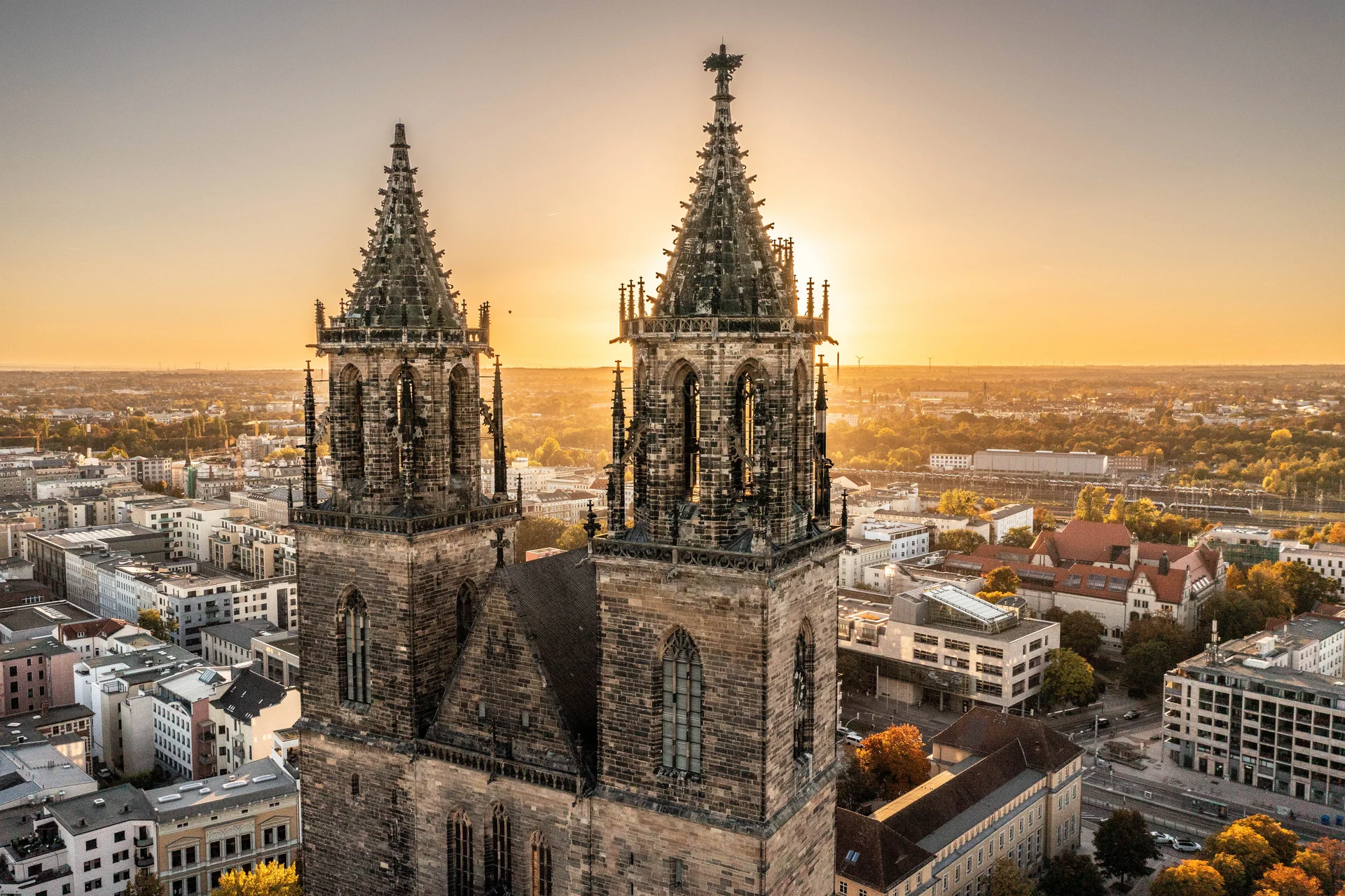
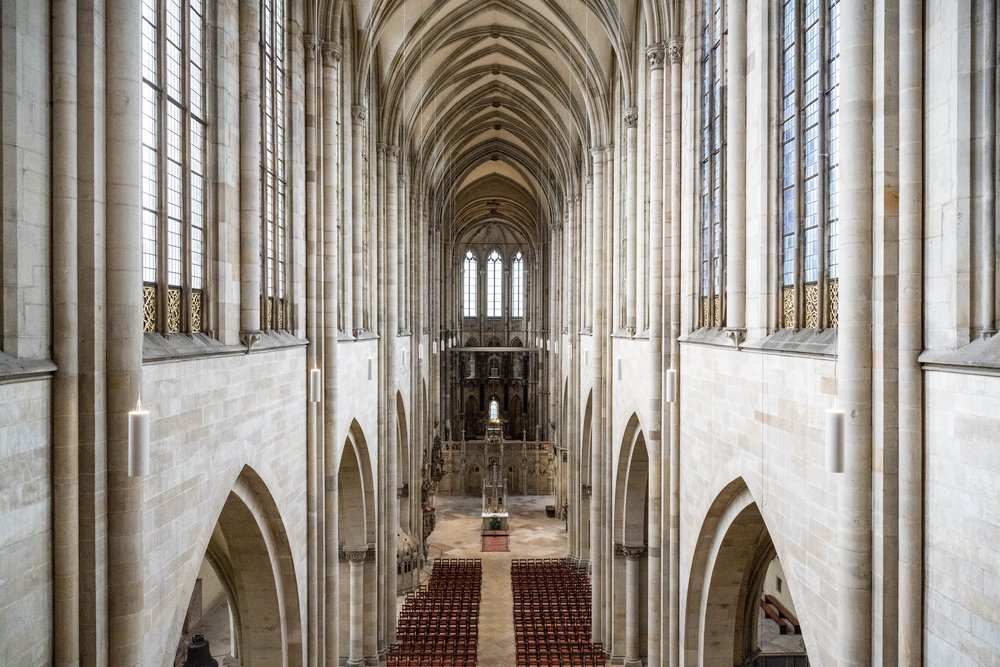
Regardless of which direction you approach Magdeburg from, the cathedral, which is one of the largest churches in Germany, is an unmistakable landmark of the capital of Saxony-Anhalt. Since the construction of the Gothic cathedral began over 1000 years ago, it has had a growing "circle of friends" whose main concerns are the structure, the maintenance, the furnishings and the presentation of the great house of God. It is due to their dedication that the historic building can also offer emotional experiences.
(Kopie 2)
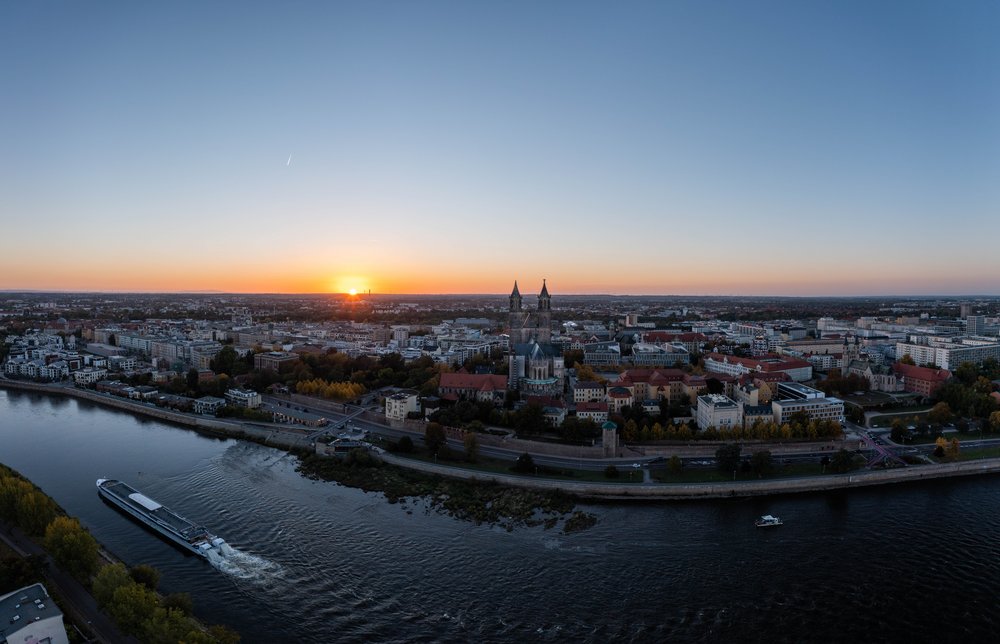
When water levels are low in the river Elbe in Magdeburg, you can see how far the rock that the cathedral stands on extends into the course of the river. You can walk down over the reddish stone into the river bed with completely dry feet and look across to the west bank to see the cathedral square towering above you. The escarpment is almost ten metres high. The rock, which has never been covered even when the water has been at its highest, is an ideal location for the "earliest Gothic cathedral completed on German soil". This is the unique feature of the cathedral of St. Mauritius and St. Katharina. Visitors come to Magdeburg from all over the world to visit it. Isabel Tönniges and Martin Groß are sympathetic hosts who introduce their cathedral to guests as a historic location and a place for emotional experiences.
(Kopie 4)
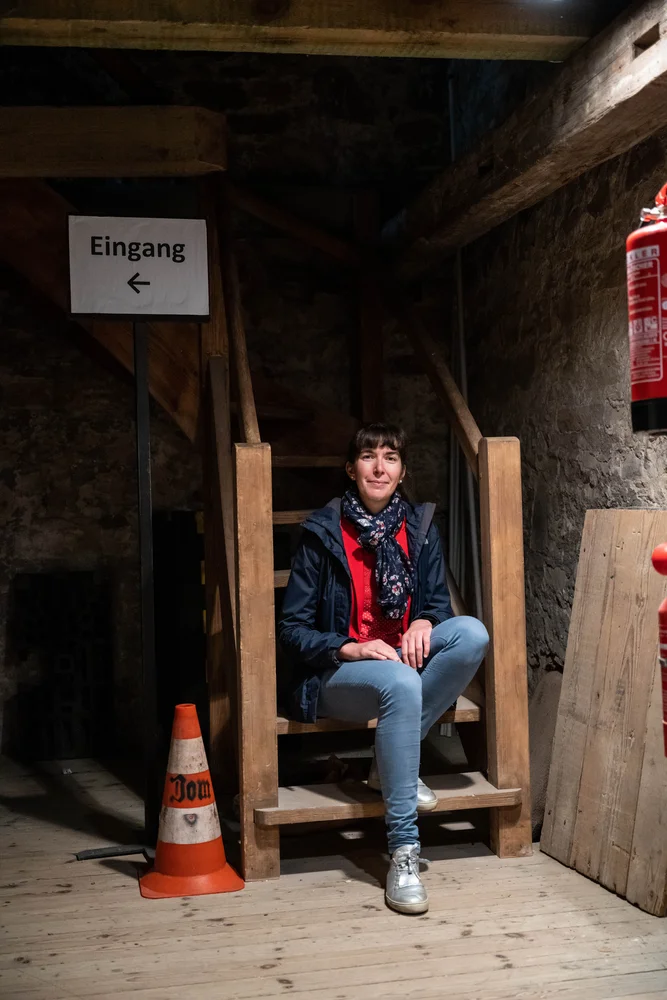
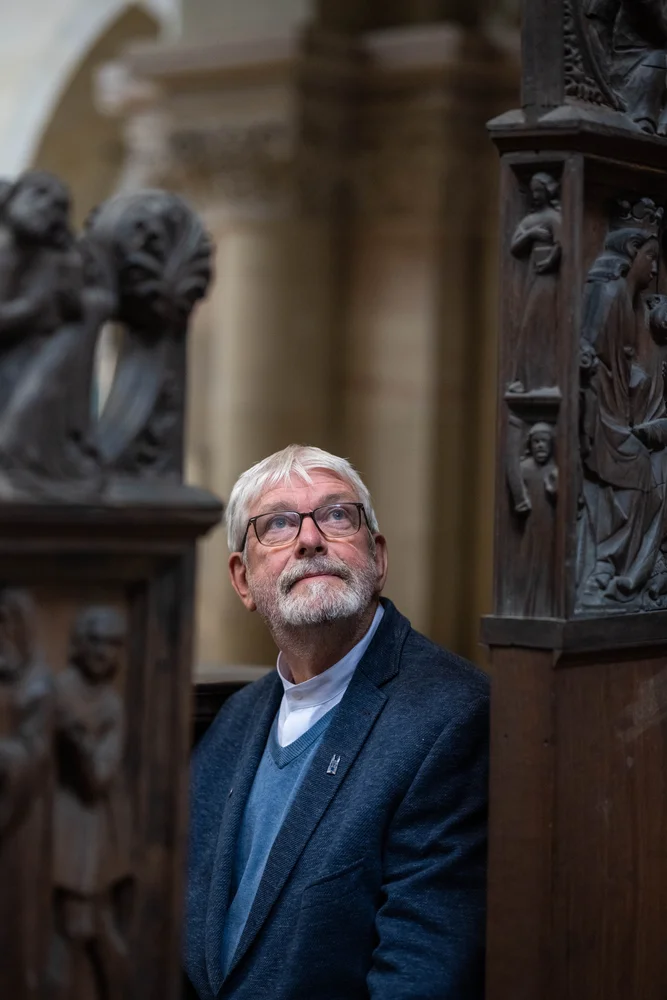
„The cathedral cannot be replaced by any other singing space.“
Martin is 71 and has had a strong connection with the cathedral throughout his life. He has sung in the choir since he was eight. He laughs when he explains that: "...my voice has ranged over the years from soprano to bass". And he talks about the "privilege" of being able to give his childish curiosity free rein in areas of the cathedral that are not normally accessible, such as the heating ducts, the bishop's cloister and the belfry when the bells are rung for evensong. "Being so close to the bells is something that you never forget," he says. He never wanted to join another choir. "I couldn't imagine singing anywhere else."
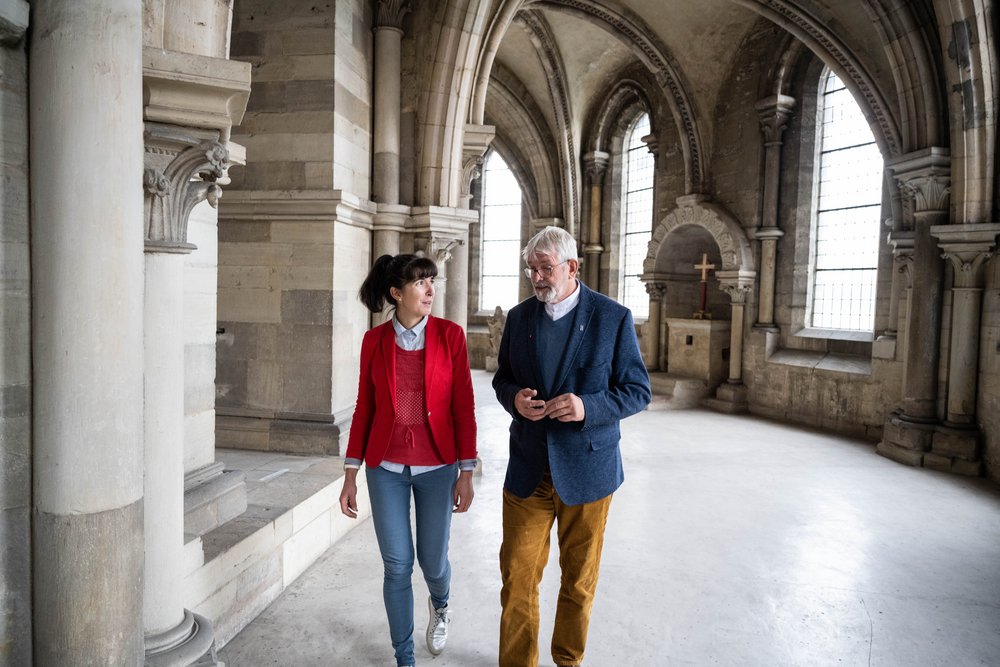
Martin Groß calls the cathedral his "emotional home". Isabel Tönniges nods in agreement. She is now 30 and visits to the cathedral with her parents and grandmother, choir concerts and guided tours of the organs were an important part of her childhood. She soon began coming to the cathedral on her own to journey back into the Middle Ages, guided by genuine archaeological evidence. Excavations have been carried out in the cathedral and in the square outside since the 1960s. The finds shed more light on medieval Magdeburg and also on medieval Europe. For example, the outline of the Ottonian cathedral was discovered in the cathedral square.
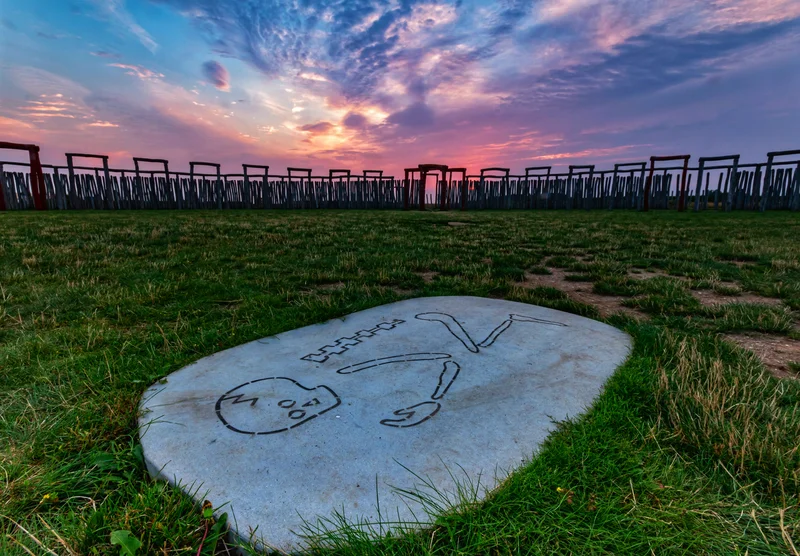
Now sandstone walls with a height of 50 centimetres have been built to represent the foundations of its Northern Church. Bronze panels on the former pillars of the church inform visitors about the Ottonians. "Many of our guests don't realise until they get here what an important historical site this is," says Isabel Tönniges, referring to Magdeburg as a city of the Holy Roman Empire of the German Nation. Otto the Great was crowned as its emperor by the pope in 962.
Otto the First earned the name "the Great" at the Battle of Lechfeld in 955, where he defeated the Magyars. This marked the birth of the Holy Roman Empire of the German Nation. After his triumphal return to his palace in Magdeburg, he had a magnificent church built with antique materials that he sent for from Italy as a sign of his imperial greatness. These included mosaic floors and pillars made from marble, porphyry and granite, glazed roof tiles and frescoes. After the Romanesque cathedral was destroyed in the devastating city fire of 1207, the parts that survived were reused in the construction of the new cathedral, which began in 1209. They can still be seen today.
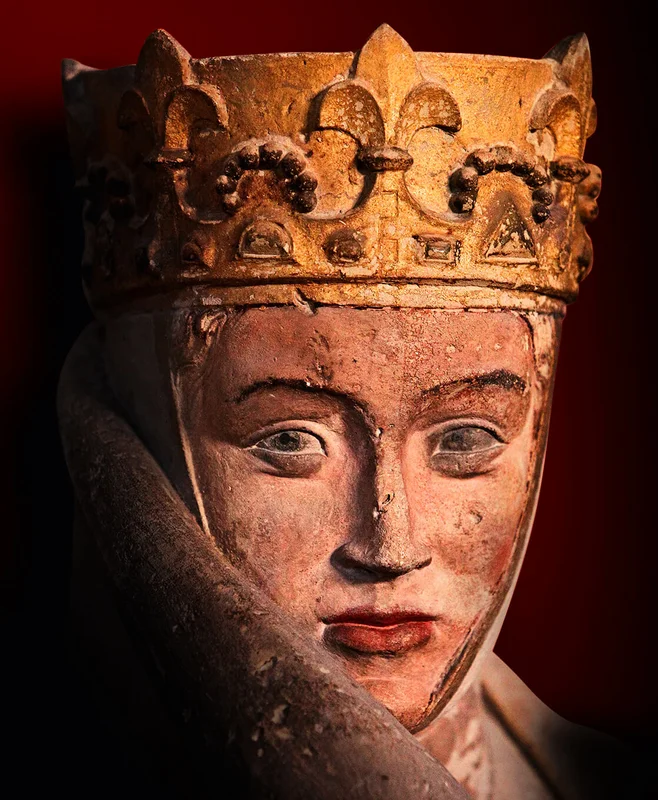
Martin Groß, who grew up in the German Democratic Republic, learned hardly anything in school about the imperial history of Magdeburg cathedral. "When the choir from the cathedral in the English town of Worcester, which Magdeburg cathedral has a partnership with, visited in 1985, we found it odd that they sang hymns by candlelight in the evenings around the sarcophagus of Edith," says Groß. "It was only then we discovered that Otto's first wife was an English princess." In 929, Otto gave Edith of Wessex the fishing village of Magdeburg as a wedding gift. It was a far-sighted move, because the small market town lay on an important trade route. Edith died at the age of only 36. When the lid of her tomb made of yellow sandstone was removed in 2008, it was a surprise to find that she is actually buried there.
(Kopie 6)
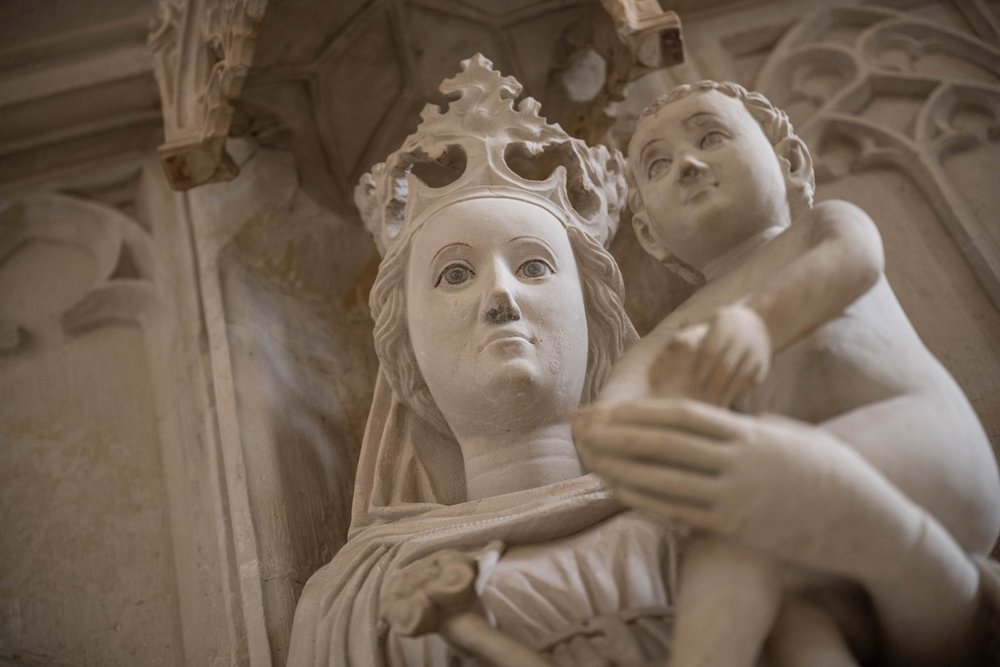
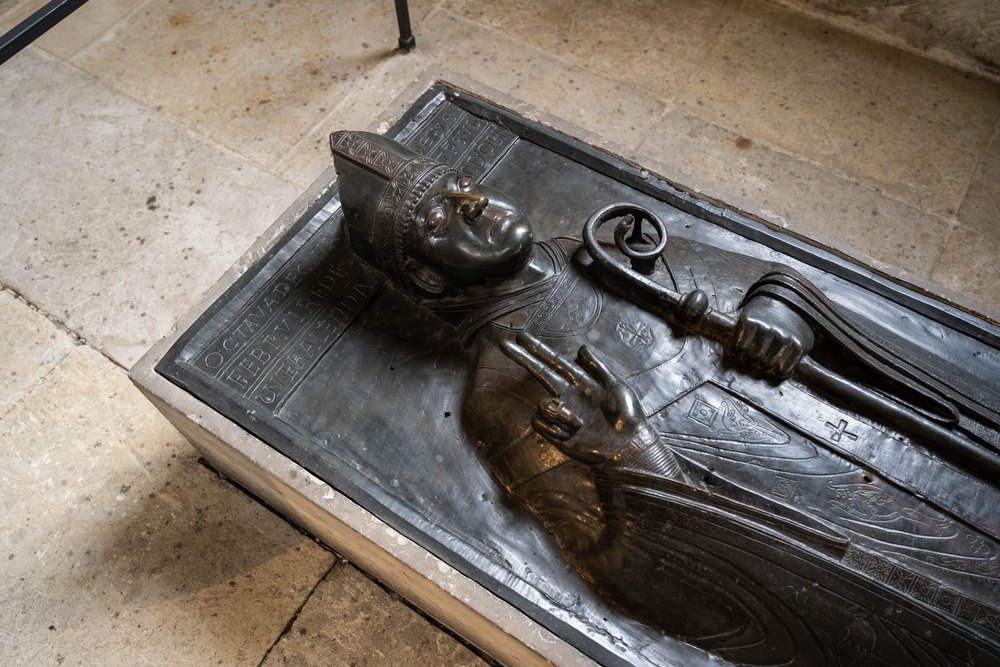
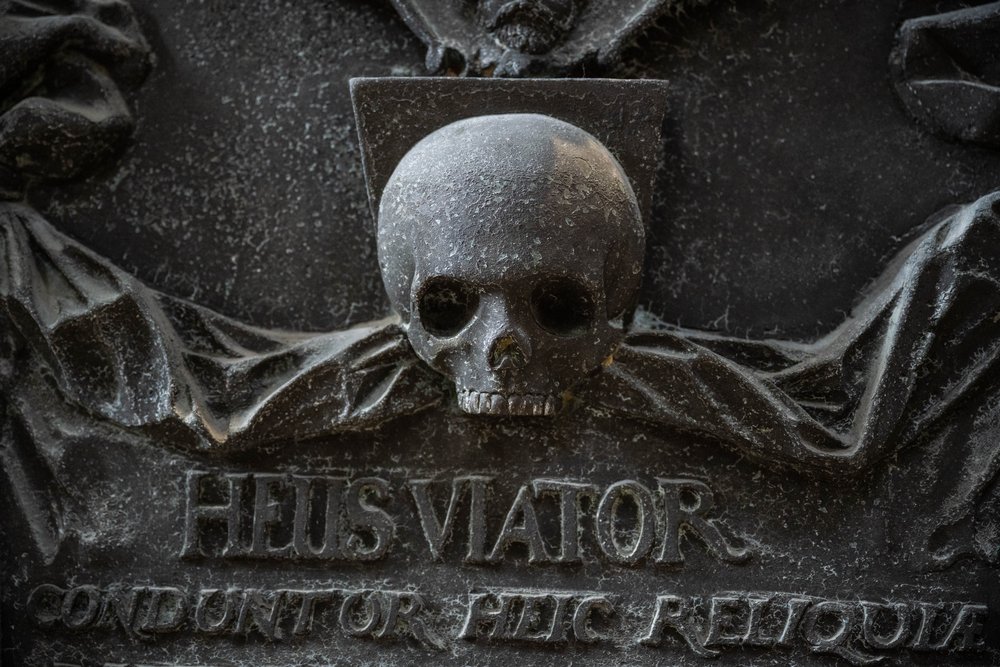
The identification of her remains caused a worldwide sensation. The lead coffin in which she was found can be seen in the Ottonianum, just a short walk from the cathedral. This museum, which was opened in 2018, has on display original finds and research results from the excavations carried out at different times in the cathedral and the cathedral square. The exhibition area in the monumental building was once the main hall of the Reichs- und Staatsbank which was built in 1923 in neo-classical style on the cathedral rock.
Martin Groß was, of course, singing in the choir at the festival service in 2010 when Queen Edith was reburied in Magdeburg cathedral. Isabel Tönniges joined the cathedral in 2013 as assistant to the director of music Barry Jordan. The job was a sideline during her degree course in cultural engineering at Otto von Guericke University Magdeburg. She still remains committed to the cathedral today in her role as its cultural manager.
(Kopie 8)
"All musicians love the excellent acoustics."
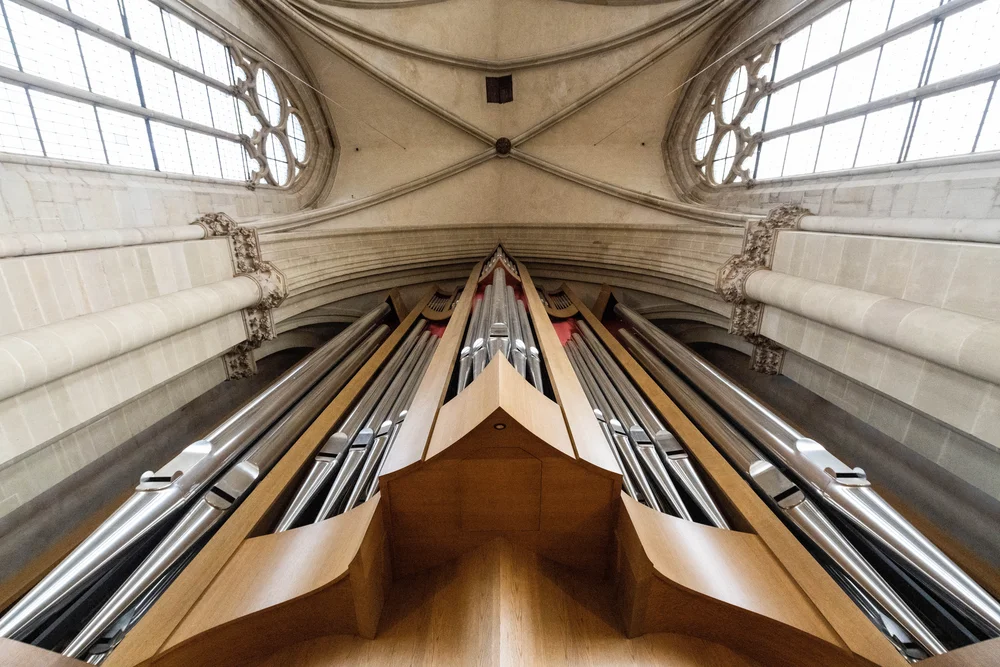
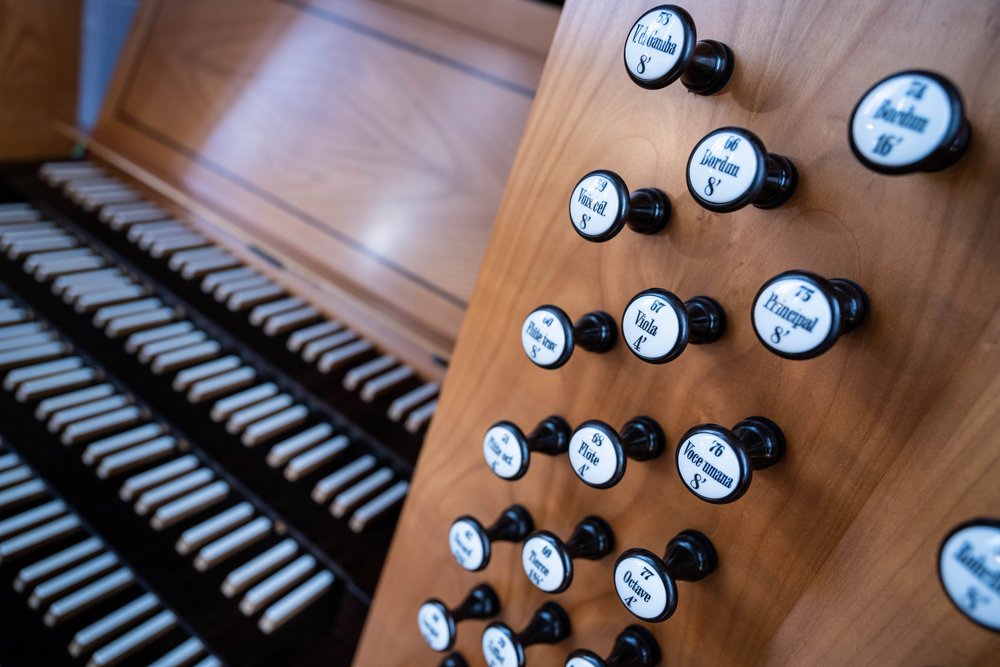
We have now climbed 15 metres up to the west gallery to see the main organ. This Schuke organ was built in Potsdam and dedicated in 2008. "It has 6139 pipes, is 15 metres high, 10 metres wide and 9 metres deep and weighs 37 tonnes." Martin Groß has all the figures in his head. He was co-founder in 1997 of the association that raised the funds for a new cathedral organ in Magdeburg. The restoration of the "organ landscape" consisting of the main organ, the refectory organ and the paradise organ, was a matter particularly close to the heart of cathedral director of music Barry Jordan. Private donations made up 1.8 million euros of the total cost of 3.3 million for the main organ alone.
People are looking up at the gallery, perhaps in the expectation of hearing the organ. Famous organists give concerts here, sometimes accompanied by singers and trombone and trumpet players, on Sundays and Mondays. And, of course, the cathedral brass band performances are always compelling. "All the musicians love the outstanding acoustics of this sacred building," says Isabel Tönniges and explains that very little information has yet been published about this asset of Magdeburg cathedral. This is now due to change. A book is currently being written about 1000 years of choral singing in the cathedral. Martin Groß is very knowledgeable on the subject. "Unlike in the past, nowadays girls and boys from all social classes can attend the cathedral choir school," he says. He adds that the children are impressed by the cathedral atmosphere in their "concert hall".
Then we hear music. A group of pilgrims with guitars and recorders have begun playing in the Ernest Chapel behind the beautifully made cast iron lattice-work screen. In 1510, Archbishop Ernest of Saxony endowed a splendid tomb on the occasion of the reburial of Edith and chose this as his burial chapel. It has been restored following a fundraising campaign by the friends of Magdeburg cathedral association. The donations have literally reopened a chapter in the history of the cathedral that was previously inaccessible.
(Kopie 10)
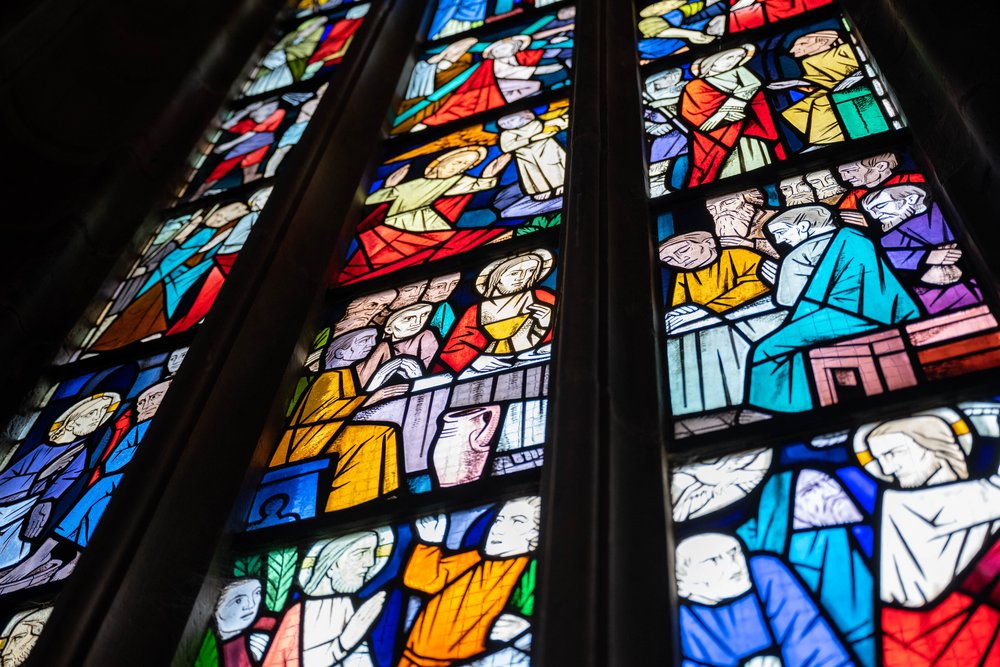
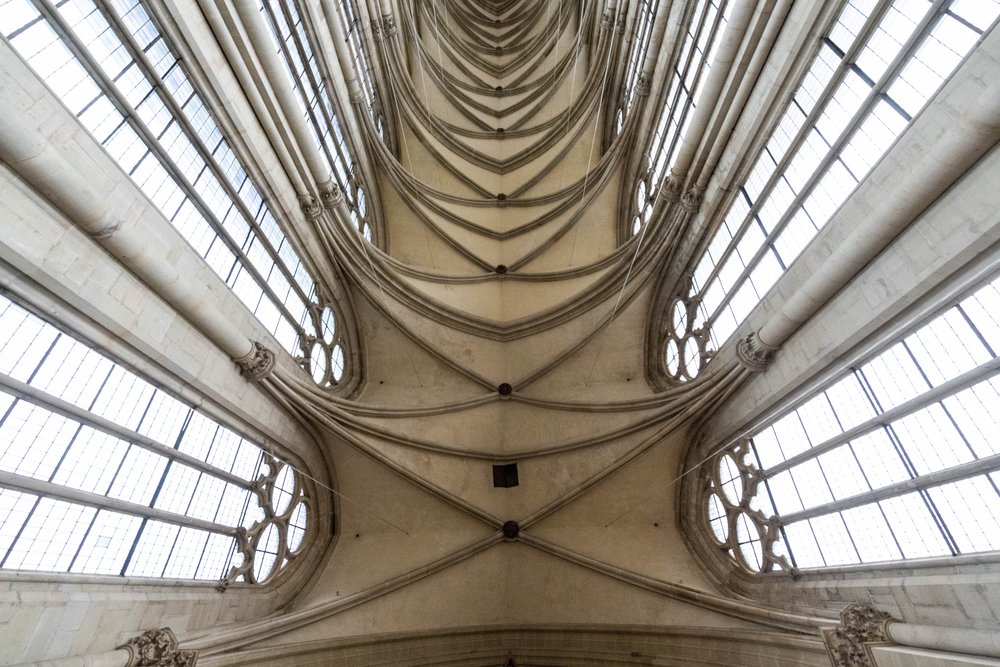
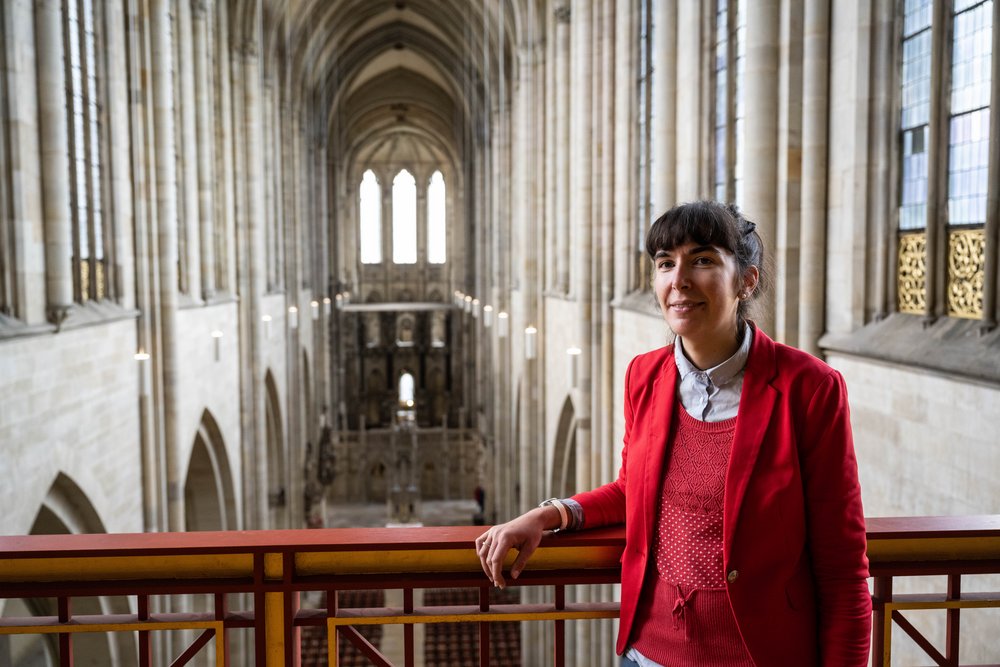
Isabel Tönniges is pleased when people take the emotional space they need and engage with the cathedral. "Almost everyone can be reached with music," she says, as a former member of the Magdeburg youth choir. She enjoys building musical bridges to bring children and adults into the cathedral, particularly anyone who does not (yet) have a relationship with it. It is, after all, the bishop's seat of the Evangelical Church in central Germany.
To bring culture and art to life here, Isabel Tönniges has launched a project with Magdeburg-Stendal University of Applied Sciences. Students there have developed the organ light concept entitled "In the midst of light and sound". The concert format has been a huge success. Another popular event was "Organ music meets dance", organised in collaboration with Magdeburg theatre and ballet school.
(Kopie 12)
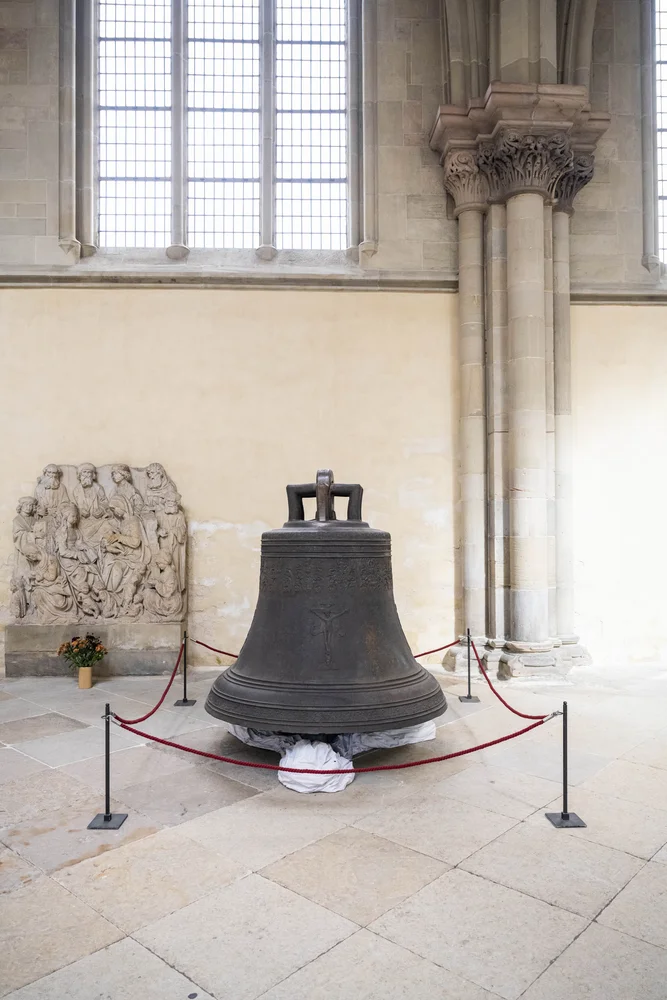
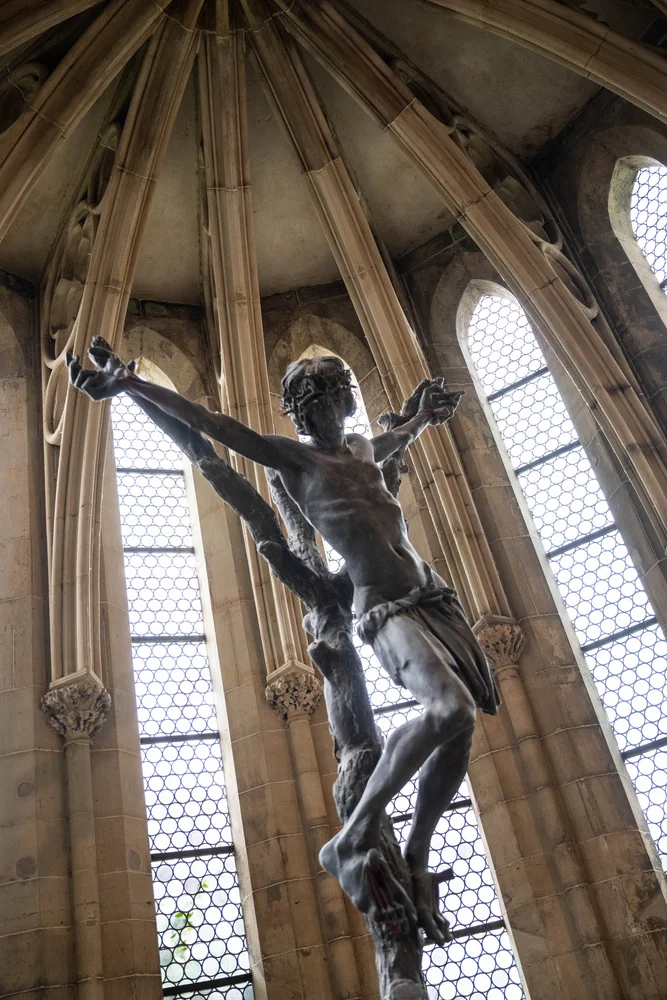
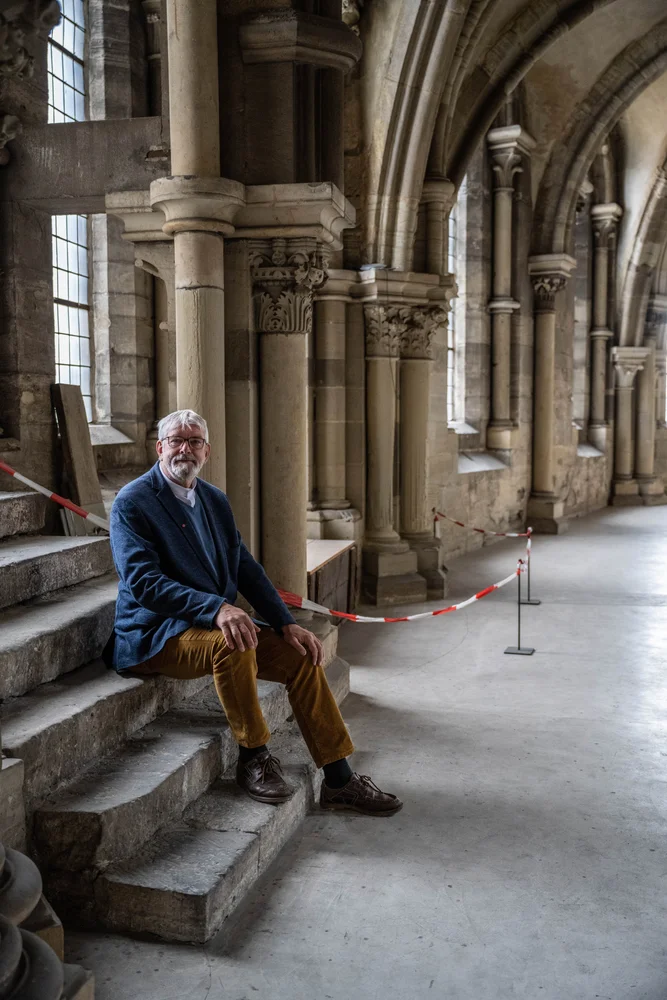
The cathedral bells are now ringing, but there are only four of them. A proper ring of bells in a cathedral should consist of at least twelve, says Martin Groß. He explains that he founded a cathedral bell association with the aim of purchasing the missing eight. By Easter next year, seven of the planned new bells should have been cast. The collection for the missing largest bell of the ring and for the new bell frames is still underway. "This is what we want to achieve and we will do it. We're not just anybody...," say Isabel Tönniges and Martin Groß on behalf of the many citizens of Magdeburg who are determined to continue the tradition of cathedral benefactors.
The construction, furnishing and maintenance of the cathedral was made possible only by donations. In the Middle Ages, endowing churches was considered one of the most noble duties of the aristocracy. Today, donations come primarily from ordinary people, including in Magdeburg where many private individuals and companies in the city see the cathedral as the centre of their urban life.
(Kopie 14)
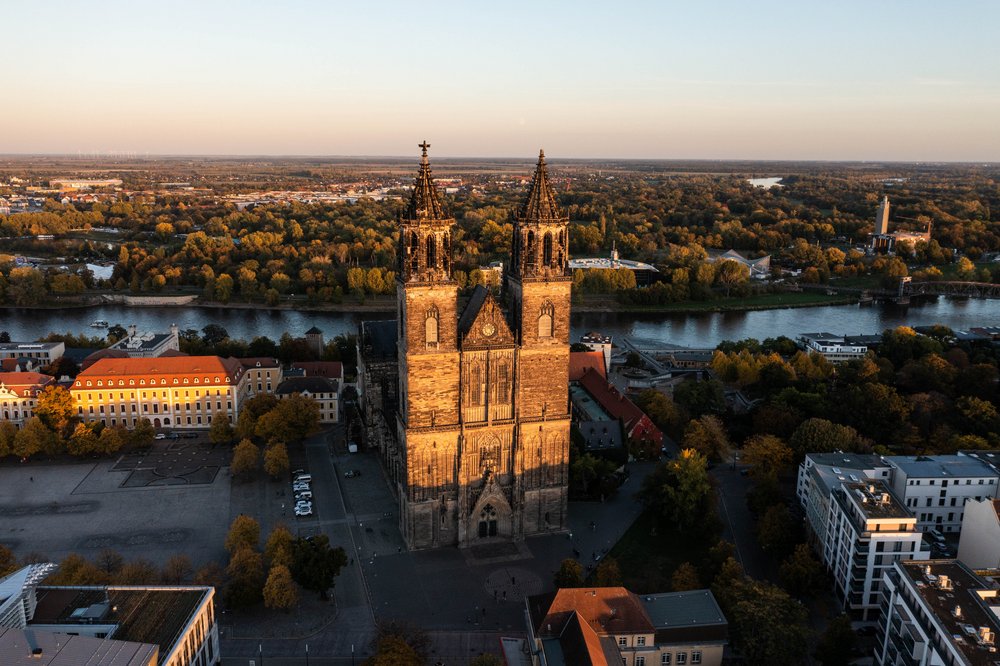
Magdeburg Cathedral is the landmark of the city.
Sie auch interessieren: